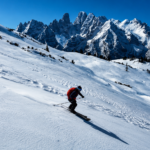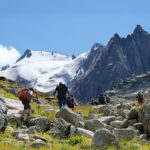
Many travellers picture trekking as high mountain expeditions in places like Nepal or the Alps. Southeast Asia offers something very different: humid rainforest trails, dramatic volcano climbs and cultural routes that pass through living mountain landscapes.
Instead of long alpine valleys and cold mountain air, trekking here takes place in tropical environments where dense vegetation, steep terrain and warm temperatures shape the hiking experience. Trails often cross rice terraces, volcanic slopes or jungle forests rather than glaciers or rocky alpine passes.
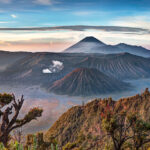
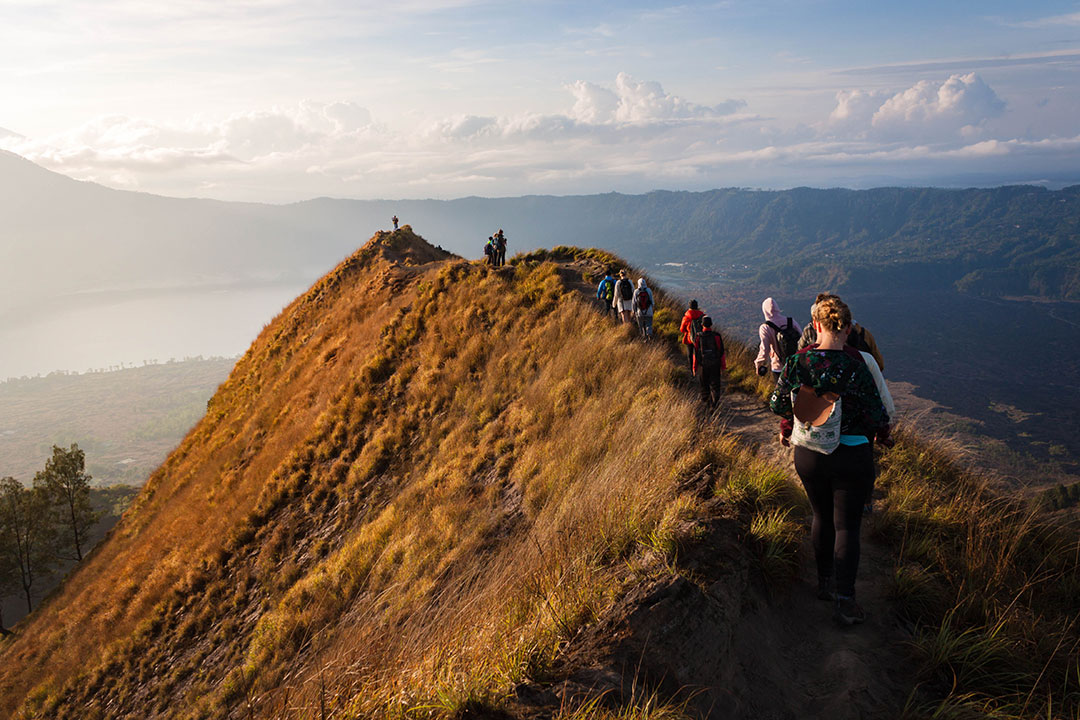
Indonesia alone contains more than a hundred active volcanoes, several of which attract trekkers from around the world. Climbs such as Mount Rinjani in Lombok or Mount Semeru in East Java involve steep ascents across volcanic terrain and often begin before dawn to reach the summit at sunrise.
Elsewhere in the region, trekking may focus less on summits and more on landscapes and culture. In northern Vietnam, routes around Sapa and the Hoàng Liên Son mountains lead through terraced valleys and villages inhabited by ethnic minority communities, where trekkers often stay in small homestays along the way.
Understanding these differences is essential when deciding whether Southeast Asia matches your trekking style. While the region rarely offers long high-altitude expeditions, it provides a distinctive mix of volcano climbs, jungle trekking and cultural mountain routes.
How Southeast Asia Compares to Other Trekking Regions
For many travellers, deciding whether to trek in Southeast Asia depends on how the experience compares to more familiar hiking destinations. Regions such as the Himalayas, the Alps or Patagonia are often associated with classic mountain trekking, while Southeast Asia offers a very different set of landscapes and environmental conditions.
Instead of high alpine peaks and glaciers, trekking routes here often pass through volcanic mountains, rainforest valleys and agricultural landscapes shaped by local communities. Elevations are generally lower than in the Himalayas, but the tropical climate introduces its own challenges, particularly heat and humidity.
The following comparison illustrates how trekking in Southeast Asia differs from several other well-known trekking regions.
Table: Trekking Environment Comparison
| Region | Landscape | Climate | Typical Trek Style |
| Southeast Asia | Volcanoes, rainforest mountains, rice terraces | Tropical and humid | Short but intense treks, cultural routes |
| Himalayas | High alpine peaks and glaciers | Cold, dry mountain climate | Long high-altitude expeditions |
| Alps | Alpine valleys and meadows | Mild summer climate | Hut-to-hut hiking on marked trails |
| Patagonia | Glacial mountains and dramatic scenery | Windy, cool and unpredictable | Scenic multi-day trekking |
Trekkers accustomed to alpine regions like the Himalayas or the Alps often notice these differences immediately. In Southeast Asia, climbs are usually shorter but physically intense, with steep volcanic ascents or humid rainforest trails replacing long high-altitude expeditions.
At the same time, many routes pass through living cultural landscapes, where trekking includes village life, agriculture and local traditions alongside mountain scenery.
Who Will Love Trekking in Southeast Asia
Southeast Asia appeals strongly to travellers who enjoy trekking environments that combine nature, culture and adventure. Rather than focusing solely on high summits or long alpine expeditions, trekking here often blends landscapes with local traditions and diverse ecosystems.
The region is particularly well suited to travellers who appreciate:
- Cultural trekking experiences: Routes in northern Vietnam, Laos and parts of Indonesia pass through mountain villages where local communities maintain traditional lifestyles. Homestays and village visits often become a memorable part of the journey.
- Short but intense mountain adventures: Many volcano climbs can be completed within two or three days while still offering dramatic summit landscapes. Treks such as Mount Rinjani or Mount Kinabalu provide a sense of expedition without requiring weeks of travel.
- Diverse environments: Few trekking regions combine such varied landscapes in a relatively small area. Within a single trip, travellers can experience volcanic mountains, rice terraces, tropical rainforest and coastal landscapes.
- Adventure beyond mainstream tourism: Some of Southeast Asia’s best trekking areas remain far less visited than famous mountain regions elsewhere in the world. Remote areas of northern Vietnam, Borneo or eastern Indonesia offer quieter trails and unique environments.
Who Might Struggle With Trekking in Southeast Asia
While Southeast Asia offers remarkable trekking opportunities, the region is not ideal for every hiking style. Travellers expecting classic alpine conditions or highly developed trail systems may find the experience quite different from what they are used to.
Trekkers who are accustomed to cool mountain climates may struggle with the tropical environment. In many trekking regions across Southeast Asia, daytime temperatures regularly exceed 25–30°C, and high humidity makes physical effort feel significantly more demanding.
The region can also feel unfamiliar to hikers who prefer well-developed mountain infrastructure. Unlike the Alps or parts of Europe, where marked trails and mountain huts are common, many trekking routes in Southeast Asia pass through rural landscapes where accommodation consists of village homestays, basic lodges or simple campsites.
Another potential challenge is the jungle environment itself. Rainforest trails can be muddy, slippery and occasionally overgrown. Insects such as mosquitoes and leeches are common in some areas, particularly during wetter months.
Travellers seeking long high-altitude expeditions may also find fewer options here. While peaks such as Mount Kinabalu or Mount Rinjani exceed 3,500 meters, most treks are relatively short compared with multi-week expeditions in the Himalayas or Andes.
For hikers who prefer cool climates, long alpine traverses or highly structured trekking routes, other mountain regions may feel more familiar. Southeast Asia rewards travellers who are comfortable adapting to tropical conditions and less predictable environments.
The Types of Treks You’ll Find in Southeast Asia
One of the most interesting aspects of trekking in Southeast Asia is the diversity of trekking styles found across the region. Within a relatively small geographical area, travellers can experience volcanic mountains, rainforest expeditions and cultural trekking routes between remote villages.
Volcano treks
Indonesia is famous for its volcanic landscapes, and many of Southeast Asia’s most iconic trekking routes involve climbing active or dormant volcanoes. Peaks such as Mount Rinjani in Lombok, Mount Semeru in Java and Mount Batur in Bali offer dramatic summit views, often reached during early morning climbs timed for sunrise above the clouds.
These treks typically involve steep ascents across volcanic slopes and can feel physically demanding despite their relatively short duration.
Cultural mountain trekking
In parts of mainland Southeast Asia, trekking often focuses on landscapes shaped by traditional agriculture and village life. Northern Vietnam provides some of the best examples. Around Sapa and the Hoàng Liên Son mountains, trekking routes wind through rice terraces, rivers and mountain villages inhabited by ethnic minority communities.
These routes are usually less about reaching a summit and more about moving through cultural landscapes while experiencing local traditions and rural life.
Jungle expeditions
Trekking in tropical rainforest environments offers a completely different experience from mountain hiking. In regions such as Borneo, Malaysia and parts of Laos, trails lead through dense jungle ecosystems that are among the oldest on Earth.
Here the challenges include humidity, muddy terrain and river crossings rather than altitude or exposed ridges. At the same time, jungle trekking provides opportunities to encounter extraordinary biodiversity, from exotic bird species to rare mammals.
Short summit climbs
Some trekking routes in Southeast Asia combine elements of mountain climbing and hiking within relatively short timeframes. Mount Kinabalu in Malaysian Borneo, for example, is often climbed over two days, with an overnight stay in mountain accommodation before an early morning summit push.
These climbs allow travellers to experience dramatic mountain landscapes without committing to long expeditions.
What a Typical Trek in Southeast Asia Looks Like
Although trekking routes vary widely across the region, many multi-day treks in Southeast Asia follow a similar rhythm shaped by climate, terrain and local infrastructure. Unlike long alpine expeditions, trekking days here are often structured around heat management, shorter distances and changing environmental conditions.
A typical trekking day in Southeast Asia often includes:
- Early morning starts to avoid the hottest part of the day
- Steady climbs through forest, farmland or volcanic slopes
- Frequent short breaks to manage heat and humidity
- 5–7 hours of walking, depending on terrain and elevation gain
- Afternoon arrival at camps, lodges or village homestays
Daily distances are usually shorter than in alpine trekking regions, often ranging between 8 and 15 kilometres. However, steep trails, humidity and uneven ground can make even moderate distances feel physically demanding.
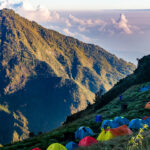
Accommodation varies depending on the trekking destination. In northern Vietnam and Laos, many routes include village homestays, where travellers stay with local families and share traditional meals. In Indonesia, volcano treks often involve camping near crater rims or at designated mountain campsites. On mountains such as Mount Kinabalu, trekkers stay in simple mountain lodges before making an early morning summit attempt.
Food is typically prepared by guides, homestay hosts or trekking teams and often consists of simple local dishes such as rice, vegetables and soups. On organized treks, porters may carry cooking equipment, tents or additional supplies.
While the logistics are often simpler than in high-altitude expeditions, the experience is defined by the surrounding environment: humid forests, volcanic landscapes and mountain communities that make trekking in Southeast Asia distinct.
How Difficult Is Trekking in Southeast Asia?
Most trekking routes in Southeast Asia are considered non-technical, meaning they do not require mountaineering equipment such as ropes, harnesses or crampons. However, difficulty in this region comes from environmental factors rather than technical climbing.
Several conditions influence trekking difficulty across Southeast Asia:
- Tropical heat and humidity, which increase physical strain during climbs
- Steep volcanic ascents, especially on mountains such as Mount Rinjani or Mount Semeru
- Rapid elevation gain, particularly on peaks like Mount Kinabalu
- Muddy or slippery jungle trails, common in rainforest regions
- Remote landscapes, where infrastructure and rescue services may be limited
Among these factors, heat and humidity are often the most surprising challenge for first-time visitors. Even moderate climbs can feel demanding when temperatures exceed 25–30°C and humidity slows the body’s ability to cool itself.
Elevation gain can also be significant. Volcano treks frequently involve climbing more than 1,500–2,000 meters in a single day, often across loose volcanic sand or rocky terrain. Despite these challenges, many of the region’s most popular treks remain accessible to travellers with moderate fitness levels. Proper pacing, hydration and preparation for tropical conditions are usually more important than technical hiking ability.
For hikers willing to adapt to these environmental factors, trekking in Southeast Asia offers rewarding routes that combine natural landscapes, cultural encounters and adventurous terrain.
When Southeast Asia Is the Perfect Trekking Destination
While Southeast Asia may not offer the towering peaks of the Himalayas or the glacial landscapes of Patagonia, it can be the ideal trekking destination in several specific situations. For many travellers, the region’s combination of tropical environments, cultural landscapes and relatively accessible mountains creates opportunities that are difficult to find elsewhere.
Southeast Asia is particularly appealing for trekkers who:
- Want a winter trekking destination. While many mountain regions in Europe or North America are covered in snow, much of Southeast Asia experiences its dry season between November and April, making this an excellent period for trekking.
- Prefer shorter but rewarding trekking adventures. Many iconic routes, including climbs such as Mount Kinabalu or Mount Rinjani, can be completed in two or three days while still offering dramatic summit landscapes.
- Enjoy combining trekking with broader travel experiences. Trekking destinations in Southeast Asia are often located relatively close to major cultural sites, cities or coastlines, making it easy to integrate hiking into a wider travel itinerary.
- Are interested in volcano landscapes or tropical environments. Few trekking regions combine active volcanoes, rainforest ecosystems and highland agriculture within such a compact geographical area.
- Appreciate cultural trekking experiences. Routes in places such as northern Vietnam or Laos frequently pass through villages where local traditions and agriculture remain central to daily life.
For travellers seeking a trekking experience that blends adventure with cultural discovery, Southeast Asia offers a distinctive alternative to more traditional mountain regions.
Final Thoughts
Southeast Asia may not be the first region that comes to mind when people think about trekking, yet it offers a remarkably diverse range of mountain and rainforest environments. From volcanic summits rising above the clouds to terraced valleys carved into steep hillsides, the landscapes here reveal a different side of the region beyond its famous beaches.
What makes trekking in Southeast Asia distinctive is the way nature and culture intersect along the trail. Climbs often pass through living landscapes where villages, agriculture and traditional customs remain closely connected to the mountains.
For travellers willing to embrace tropical climates and unfamiliar terrain, these routes provide an opportunity to explore environments that feel both adventurous and culturally rich. In the right season and with thoughtful preparation, Southeast Asia can become one of the most rewarding trekking regions to discover.