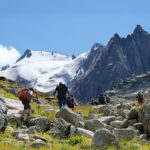
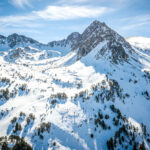
Kyrgyzstan offers some of the most accessible high-mountain trekking in Central Asia, but accessibility should not be confused with ease. This is a country where vast landscapes, limited infrastructure, and fast-changing mountain conditions reward prepared trekkers and punish assumptions.
This guide is written to help you understand how trekking in Kyrgyzstan actually works in practice. Not as a collection of best routes or Instagram highlights, but as a planning framework. By the end, you should know what kind of trek fits your skills, how people move through the country, what infrastructure exists and what does not, and where caution matters more than op+timism.
We start with what truly makes Kyrgyzstan different, because misunderstanding that is where most first-time mistakes begin.
Explore: Georgia Travel Guides
What Makes Trekking In Kyrgyzstan Different (And Why It Matters For Planning)

Remoteness Is The Baseline, Not The Exception
In many trekking destinations, remoteness is something you opt into. In Kyrgyzstan, it is often the default once you leave the road. Outside a handful of popular valleys near Karakol and Issyk-Kul, you should assume:
- No staffed huts
- No ranger stations
- No marked emergency exits
- No reliable mobile signal
High Altitude, Mostly Non-Technical Terrain
Most classic Kyrgyz treks stay on grass, scree, dirt, and moraine. You are rarely dealing with fixed cables, ladders, or exposed scrambling. This leads many trekkers to underestimate the physical load.
The challenge comes from altitude combined with duration. Sustained days above 2,800–3,500 meters, long passes, and uneven ground accumulate fatigue quickly. Acclimatization matters even if you never touch snow or ice.
Yurts And Horses Change The Equation
Kyrgyzstan’s nomadic culture is not a backdrop, it is part of the trekking system. Seasonal yurt camps provide food and shelter in places where huts would never exist. Horses are widely used to transport gear, supplies, and sometimes people.
This creates flexibility but also complexity. A route that is reasonable with horse support may be exhausting without it. A yurt that exists one summer may not return the next. Planning needs to allow for variability and local negotiation rather than fixed expectations.
Weather Volatility, Not Just “Bad Weather”
The issue is not simply rain or cold. It is instability. Clear mornings can turn into hail, snow, or fog within hours, even in midsummer. Wind at passes can be severe. Snowfields can linger longer than expected after heavy winters.
A Quick Geographic Orientation: Where Trekkers Actually Go
Understanding where trekking happens in Kyrgyzstan helps avoid unrealistic itineraries and wasted travel days. While mountains cover most of the country, trekking concentrates around a few practical zones.
Issyk-Kul as the logistical spine
For most travelers, Issyk-Kul Lake acts as the central hub. Bishkek connects to the lake via road, and towns along its eastern edge provide access to trailheads, guides, horses, and supplies. Karakol, in particular, functions as the main trekking base with the widest support network.
This does not mean trekking happens around the lake itself. Instead, Issyk-Kul is the staging area for entering surrounding ranges.
The Tien Shan in practice
The Tien Shan mountains dominate Kyrgyzstan, but from a trekking perspective they break down into practical zones rather than geological definitions.
- Northern and eastern ranges are the most visited, with better access and more established trekking culture.
- Central highlands offer vast, quiet landscapes with fewer people and less support infrastructure.
- Southern regions are more complex logistically and can involve border sensitivities.
Most first-time trekkers focus on the north and east, not because the rest is inferior, but because it is more forgiving when plans change.
Trekking regions at a glance
| Region / Area | Usual staging town | Typical trek format | Best-fit trip length | Main planning friction | Experience highlight |
| Karakol area | Karakol | Pass crossings, loops | 3–7 days | Weather, altitude | Alpine lakes, glaciers |
| Jyrgalan region | Karakol / Jyrgalan | Basecamp + passes | 2–6 days | Limited transport | Open valleys, solitude |
| Central highlands | Kochkor | Horse-supported traverses | 5–10 days | Navigation, remoteness | Nomadic pasturelands |
| Song-Kul basin | Kochkor | Basecamp / horse routes | 2–5 days | Seasonality | Yurts, wide-open landscapes |
Choosing Your Trek Style In Kyrgyzstan (Without Overplanning)
No Hut-To-Hut Safety Net
Unlike the Alps or parts of the Himalayas, Kyrgyzstan does not offer a standardized hut system. You cannot assume daily shelter or food. Every trek plan should stand on its own even if a yurt camp is absent or full.
This pushes planning toward self-sufficiency first, with yurt stays treated as bonuses rather than guarantees.
Three Formats That Actually Work
Most treks fall into one of three practical patterns:
Point-to-point pass crossings
Classic routes linking valleys over one or more high passes. These require solid navigation and weather judgment, especially if exit options are limited.
Basecamp-style trekking
Staying several nights in one valley or yurt area and doing day hikes. This reduces risk, improves acclimatization, and works well when weather is unstable.
Horse-supported traverses
Using horses to carry gear between camps.
Matching trip length to reality
Short trips benefit from simplicity. One valley, one or two passes, clear exit options. Longer trips amplify small mistakes. In Kyrgyzstan, a conservative seven-day plan often delivers a better experience than an overambitious ten-day traverse.
Seasonality Basics For Trek Planning (Principles Only)
Why “July To September” Is Shorthand, Not A Promise
This window reflects when high passes are most likely to be accessible, not when conditions are stable. Snowpack, spring rainfall, and summer storms vary widely year to year.
Early summer may bring swollen rivers and snowfields. Late season can mean cold nights, early snow, and closed yurt camps. Planning needs flexibility within that window.
Yurts And Passes Are Seasonal Infrastructure
Yurt camps follow grazing patterns, not trekking calendars. Passes do not “open” on fixed dates. Local advice close to your trekking start matters more than online trip reports from previous years.
Access and transport: how people actually move around
Getting to the mountains in Kyrgyzstan is rarely complicated, but it is often indirect. Transport works on a mix of informal systems, shared vehicles, and local negotiation. What matters is not memorizing routes, but understanding how movement actually functions once you leave the capital.
Entry points and staging cities
Most trekkers enter Kyrgyzstan through Bishkek or Osh. For trekking purposes, Bishkek is the more relevant gateway due to its road access to Issyk-Kul and the northern Tien Shan.
Key staging locations for treks include:
- Bishkek: international arrival point, gear purchases, SIM cards, cash
- Karakol: primary trekking base for the Issyk-Kul east, guides, horses, fuel, food
- Kochkor: access point for Song-Kul and parts of the central highlands
You should expect at least one full travel day between Bishkek and any real trailhead. Attempts to “trek the same day you arrive” often lead to rushed decisions or late starts.
Marshrutkas, shared taxis, and private drivers
Transport between towns relies on three main systems:
Marshrutkas (minibuses)
These are the backbone of intercity travel. They are cheap, frequent on main routes, and slow. They do not run on fixed timetables and leave when full. For trekkers, they work well between Bishkek, Issyk-Kul towns, and Karakol.
Shared taxis
Faster and more flexible than marshrutkas, shared taxis depart once all seats are sold. They cost more but save time and reduce fatigue before or after a trek.
Private drivers
Often arranged locally or through guesthouses. This is the most reliable option for reaching remote trailheads or returning from valley exits. Prices vary widely based on distance, road condition, and demand.
Cash is expected in almost all cases. Card payments outside Bishkek should not be assumed.
The Last-Mile Problem (And Why It Matters)
Public transport rarely reaches actual trailheads. The final stretch is usually handled by:
- Hitchhiking
- Local drivers from nearby villages
- Horse handlers doubling as transport contacts
This is where buffer time matters. A delayed pickup, weather shift, or miscommunication can easily cost half a day. Build margins into your itinerary rather than stacking passes back-to-back.
A useful rule in Kyrgyzstan: assume transport will take longer than promised, but usually still happen.
Permits And Restricted Zones: What’s Stable, What Isn’t
Permits are one of the most misunderstood aspects of trekking in Kyrgyzstan. They are not universally required, but when they are, ignoring them can end a trek abruptly.
What A Border Zone Permit Actually Is
Some mountain regions near international borders are designated as restricted zones. To legally trek there, foreign nationals must obtain a border zone permit in advance.
These permits are tied to:
- Specific regions
- Specific dates
- Your passport details
They are not issued on arrival at trailheads and cannot be assumed to be available locally.
Where This Tends To Matter
Border permits are most commonly relevant in parts of the eastern and southern Tien Shan, particularly near borders with China, Tajikistan, and Kazakhstan. Not every trek in these regions requires a permit, but some do, even when routes are popular.
Because zones and enforcement can change, avoid relying on outdated blog posts or forum comments. Treat any trek that approaches an international border as permit-uncertain until confirmed locally.
Handling Permits Safely As A Traveler
The safest approach is indirect:
- Ask locally in Karakol or Bishkek
- Confirm with community-based tourism offices or reputable local guides
- Apply with time to spare if required
Never assume that “no one checks.” Checks are inconsistent, which is exactly why the risk exists.
Border sensitivity and conservative planning
Border regions can carry political sensitivity unrelated to trekking. This is not something you can manage on the ground. If a route sits in a gray area, the simplest solution is often to choose another valley. Kyrgyzstan has no shortage of alternatives.
Navigation, Maps, And Communication In The Mountains
Navigation in Kyrgyzstan is straightforward in concept and demanding in execution. Trails exist, but markings are inconsistent and weather can erase visual cues quickly.
Offline-first navigation is standard
You should assume:
- No mobile signal once you leave valleys
- No data access even if you see signal bars
- Battery management is critical
Offline maps are not a backup; they are the primary tool.
What actually works on the ground
Most trekkers rely on a combination of:
- Offline digital maps based on OpenStreetMap data
- GPS tracks where available
- Paper maps as a redundancy layer
Digital mapping quality in Kyrgyzstan is better than many expect, especially for major trekking areas. However, route lines do not guarantee trail conditions or safety.
Paper maps and local knowledge
Paper maps remain valuable for:
- Big-picture route planning
- Identifying escape valleys
- Communicating plans with locals
Local advice is often accurate about current conditions but limited to familiar areas. A shepherd’s “it’s fine” usually means “I was there last week,” not “this route is safe in today’s weather.”
Communication reality
Satellite devices improve safety but do not replace judgment. Emergency numbers exist, but response times in remote valleys are unpredictable. The most reliable safety tool remains self-rescue planning: knowing where you can descend, camp, or retreat if conditions deteriorate.
Accommodation and Food on Treks: Yurts, Homestays, and Camping
Accommodation in Kyrgyzstan is not a fixed system. It is seasonal, informal, and shaped by nomadic rhythms rather than trekking demand. Understanding how it works prevents overreliance on facilities that may not exist when you arrive.
Yurt Stays: What They Are and What They Are Not
Yurts are traditional felt tents used by semi-nomadic herders during summer grazing season. For trekkers, they function as seasonal refuges, not hotels.
What you can usually expect:
- A shared sleeping space with mats or basic beds
- Simple, hearty meals based on local staples
- Tea, bread, and limited snacks
What you should not assume:
- Fixed operating dates
- Private rooms
- Showers or sanitation facilities beyond outhouses
- Guaranteed availability
Yurt camps open and close based on grazing patterns, weather, and family decisions. A yurt marked on a map is a possibility, not a promise. Always carry enough food and shelter to be independent.
Homestays in Villages
Village homestays are more predictable than yurts but still informal. They are common near trailheads and in valleys with seasonal trekking traffic.
Expect:
- Basic but clean accommodation
- Home-cooked meals
- Flexible arrangements negotiated on arrival
Homestays are an excellent way to buffer acclimatization days, wait out weather, or organize transport and horses. English levels vary, but communication is usually workable with patience and gestures.
Camping: The Default Option
Camping remains the most reliable accommodation strategy in Kyrgyzstan’s mountains.
Advantages:
- Full control over location and timing
- Independence from seasonal infrastructure
- Better risk management in bad weather
Most high valleys and pastures allow informal camping. That said, campsites near yurts or villages should be discussed with locals out of courtesy. Avoid camping directly on grazing routes or near water sources used by livestock.
Food and Water Reality on Treks
Food planning should assume no resupply once you leave villages. Yurt meals help but are not nutritionally balanced for continuous trekking.
Key principles:
- Carry enough calories for full independence
- Supplement local meals with your own snacks
- Treat all natural water sources
Check our guided tour: Kyrgyzstan Trekking | Nomadic Adventure
Horses and Horse Support: A Planning Variable, Not a Shortcut

Horses are integral to mountain life in Kyrgyzstan, and they often appear in trekking narratives as a way to “make things easier.” That framing is misleading.
What Horse Support Usually Means
In most cases, horse support involves:
- Horses carrying tents, food, and heavy gear
- A local handler accompanying the group
- Trekkers walking the route themselves
Riding is possible but not always expected or suitable, especially on steep passes or rough terrain.
Common Misunderstandings
Horse-supported trekking is not effortless. Common assumptions that cause friction include:
- Expecting horses to move fast or on demand
- Underestimating weather impact on animals
- Assuming riding experience is irrelevant
When Horse Support Makes Strategic Sense
Horse support is particularly useful when:
- Crossing high passes over multiple days
- Traveling with heavier camera or family gear
- Operating at altitude where lighter packs aid acclimatization
Safety and Self-Reliance: Understanding the Kyrgyzstan Risk Profile
Kyrgyzstan rewards preparation and punishes complacency. Most incidents are not dramatic accidents but the result of small decisions compounding over multiple days.
The Primary Risk Factors
Weather
Mountain weather shifts fast. Storms build quickly, winds intensify on passes, and temperatures can drop without warning. Conservative turnaround times and early starts significantly reduce exposure.
River crossings
Snowmelt and rain can transform shallow streams into impassable barriers within hours. Crossings are safest early in the morning, before temperatures rise and meltwater peaks.
Navigation
Wide valleys, intersecting animal trails, and fog make wrong turns easy. A minor navigation error can quickly turn into a major detour, increasing fatigue and exposure.
Altitude and fatigue
Sustained elevation gain without proper pacing raises the risk of injury and altitude illness, even among fit trekkers. Acclimatization days are not optional on longer routes.
Rescue Infrastructure Reality
Emergency numbers exist, but response times in remote mountain areas are inconsistent and often slow. Helicopter evacuation is rare and entirely weather-dependent. Trekkers should plan routes and daily distances with the assumption that self-rescue may be required.
Travel insurance must explicitly cover trekking, include altitude limits appropriate to your route, and provide evacuation and repatriation coverage.
A Realistic Packing System for Kyrgyzstan (Not a Gear List)
Packing for Kyrgyzstan is about systems, not brands or gadgets. The goal is adaptability across long days, changing weather, and limited resupply options.
Layering for Volatile Conditions
A flexible layering system matters more than heavy insulation. Expect cold mornings, hot afternoons, and sudden storms within the same day. Prioritize layers that can be added or removed quickly without stopping for long breaks.
Footwear and Ground Reality
Wet grass, loose scree, and extended descents define many routes. Stability and grip matter more than saving weight. Footwear should remain comfortable over multiple long days, especially when terrain becomes slippery or uneven.
Small Items That Matter Disproportionately
Blister care, dry bags, headlamps, and reliable water treatment often decide comfort and safety more than major gear choices. These items mitigate cumulative problems that escalate quickly when ignored.
What Changes With Horse Support
Horse support allows for a lighter pack and better daily endurance. However, critical layers, navigation tools, and emergency equipment should always stay with the trekker, not on pack animals.
Costs and Budgeting: How to Think in Ranges
Trekking in Kyrgyzstan is relatively affordable, but it is not uniformly cheap. Costs fluctuate based on remoteness, season, and how much support you use.
What typically costs money:
- Transport beyond main roads
- Yurt stays and homestays
- Horse support and handlers
- Occasional park or access fees
Prices outside Bishkek are negotiated more than fixed. Cash is essential, and small denominations make life easier. Budget flexibility matters more than precise estimates, especially when weather or logistics force changes.
Two Planning Blueprints (Actionable, Not Itineraries)
These are not routes. They are decision frameworks you can adapt on the ground.
Blueprint A: First Kyrgyz Trek Week
Best for: first-time visitors, limited time, uncertain weather.
Structure:
- Stage from Karakol or Kochkor
- One main trekking valley
- One or two high passes max
- Mix of camping and yurts
Blueprint B: Quiet-Country Traverse
Best for: experienced trekkers seeking solitude.
Structure:
- Central or less-visited highland region
- Horse-supported logistics
- Flexible camp locations
- Conservative daily distances
Here, the goal is not coverage but continuity: steady movement, low pressure, and room to wait out weather without forcing decisions.
Trekking Ethics and Cultural Respect
Much of Kyrgyzstan’s trekking access exists because mountains double as grazing land. Trekkers are guests in working landscapes.
Key principles:
- Camp away from livestock routes and water sources
- Ask before photographing people, yurts, or animals
- Pack out all waste, including food scraps
Respect is practical, not abstract. Good behavior maintains trust and keeps informal access open in regions without formal trail systems.
Quick Pre-Trek Checklist
Before leaving town, confirm:
- Offline maps downloaded and tested
- Sufficient cash in small bills
- Permit status if trekking near borders
- Weather window and turnaround points
- Insurance coverage for trekking altitude
- Water treatment method packed
Check our guided tour: Kyrgyzstan Trekking | Nomadic Adventure