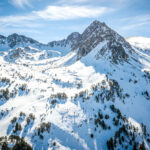
The Mestia to Ushguli trek is Georgia’s most iconic multi-day hike – a journey through high mountain valleys, medieval villages and some of the most dramatic scenery in the Caucasus. Walked over four well-balanced days, it offers the perfect mix of challenge, comfort and cultural immersion.
The trek from Mestia to Ushguli is often the first long-distance hike travellers choose in Georgia – and for good reason. It delivers high-mountain landscapes, medieval Svan villages and a continuous sense of movement through one of the Caucasus’ most distinctive regions, all without requiring technical skills or camping equipment. Each night ends in a small village with family-run guesthouses, making the route accessible to independent hikers while still feeling remote and authentic.
This guide focuses specifically on the best 4-day itinerary, which is widely considered the ideal way to walk the route. Four days allow for steady pacing, better acclimatization, and a safer, more enjoyable approach to the Adishi river crossing – the most demanding section of the trek. Rather than covering general trekking advice or regional overviews, this article breaks the journey down day by day, explaining what each stage involves, where you’ll stay, and which decisions matter most on the trail.
If you’re planning to hike from Mestia to Ushguli in 2025, this is the practical itinerary to follow.
Read also: Trekking in Georgia: Complete Guide
Quick Overview of the Mestia to Ushguli Trek
Before diving into the daily stages, it helps to understand the basics of the route and why it has become Georgia’s most popular multi-day hike.
- Total distance: 55–60 km
- Duration: 4 days (standard itinerary)
- Difficulty: Moderate
- Highest point: Chkhunderi Pass (around 2,700 m)
- Accommodation: Guesthouses in every village
- Best season: Late June to late September
- Recommended direction: Mestia → Ushguli
The trek runs east through Upper Svaneti, connecting Mestia with Ushguli, one of Europe’s highest permanently inhabited villages. Each day covers a manageable distance, with clear trail segments linking villages such as Zhabeshi, Adishi and Iprali. The route combines forest paths, open alpine slopes and glacial valleys, with the most demanding section — the river crossing and pass beyond Adishi — falling on the third day.
Walking from Mestia to Ushguli is generally preferred, as elevation gain is more gradual and the hardest day comes once hikers are fully warmed up and acclimatized.
Read also: Best Hikes in Georgia: Top 10 Routes Ranked for 2026
Why the 4-Day Itinerary Is the Best Option
The Mestia–Ushguli route can technically be walked in three or extended to five days, but the 4-day itinerary remains the best-balanced and most widely recommended option. It allows hikers to enjoy the landscapes without rushing, while keeping daily distances realistic for a wide range of fitness levels.
Four days provide a steady rhythm from the start. The first two stages gradually introduce elevation and terrain changes, giving your body time to adjust before the most demanding section of the trek. This becomes especially important on Day 3, which includes the Adishi river crossing and the ascent to Chkhunderi Pass. Reaching this point with rested legs and proper pacing significantly improves safety and overall enjoyment.
A shorter 3-day version compresses distances, often forcing long, tiring days and increasing pressure around the river crossing. On the other hand, a 5-day itinerary adds flexibility but rarely adds meaningful new scenery unless combined with side trips or camping. For most independent hikers using guesthouses, four days strike the ideal balance between comfort, challenge and immersion.
Day-by-Day Mestia to Ushguli Itinerary
This section breaks the trek into four well-balanced stages, following the classic west-to-east route from Mestia to Ushguli. Distances and times are approximate and can vary slightly depending on the exact trail variant you choose.
Day 1 — Mestia → Zhabeshi
Distance: approx. 16–18 km
Time: 6–8 hours
Difficulty: Moderate
Overnight: Zhabeshi village
The first day introduces the rhythm of the trek, moving steadily from Mestia into quieter, more rural Upper Svaneti. Leaving town, the trail quickly climbs above the valley, opening wide views toward the surrounding ridges and, on clear days, Mount Ushba in the distance. While not technically difficult, this is one of the longest days by distance, so an early start helps keep the pace relaxed.
Hikers can choose between two main route options. The upper trail climbs higher above the valley and offers better views, while the lower trail follows a gentler path through villages and forest tracks. The upper option is more rewarding in good weather, but the lower route is perfectly acceptable if conditions are poor or if you want to conserve energy.
The terrain alternates between dirt tracks, grassy slopes and village paths. Small settlements appear along the way, with water sources available at regular intervals. Most hikers stop for lunch near one of the villages before continuing toward Zhabeshi.
Zhabeshi is spread across several hamlets rather than a single center, giving it a quiet, local feel. Guesthouses are simple and welcoming, and the evening is best spent resting and refuelling. Keeping the pace comfortable on Day 1 sets you up well for the more alpine terrain ahead.
Day 2 — Zhabeshi → Adishi
Distance: approx. 10–12 km
Time: 5–7 hours
Difficulty: Moderate
Overnight: Adishi village
Day 2 is shorter in distance but marks a clear shift into higher, more alpine terrain. Leaving Zhabeshi, the trail climbs steadily through open meadows and forested slopes before breaking above the treeline. The ascent is gradual rather than steep, making it a manageable day physically, but you’ll feel the cumulative elevation gain as you move deeper into the mountains.
As the path rises, views begin to open across the upper valleys, with long ridgelines and snow-streaked peaks dominating the horizon. This stage feels quieter and more remote than Day 1, with fewer villages and longer stretches of uninterrupted landscape. Weather can change quickly here, so it’s worth keeping a steady pace and taking breaks in sheltered spots if clouds roll in.
The final approach into Adishi is particularly atmospheric. The village sits in a broad, isolated basin beneath surrounding peaks, giving it a distinctly remote feel compared to earlier stops. Adishi is small, traditional and slower-paced, with stone houses clustered together and little outside activity beyond daily village life.
Most hikers arrive by mid-afternoon, which leaves time to rest and prepare for the following day. Day 3 is the most demanding stage of the trek, so an early dinner and a good night’s sleep in Adishi make a noticeable difference. Many guesthouse hosts will also offer advice on timing the river crossing the next morning, depending on recent weather conditions.
Day 3 — Adishi → Iprali (River Crossing & Chkhunderi Pass)
Distance: approx. 18–20 km
Time: 7–9 hours
Difficulty: Moderate–Challenging
Overnight: Iprali village
Day 3 is the crux of the Mestia to Ushguli trek and the stage that most strongly justifies the 4-day itinerary. It combines the route’s only significant river crossing with its highest point, making timing and pacing particularly important.
Most hikers start early, as the Adishi river is safest to cross in the morning when water levels are lower. The crossing is unbridged and fed by glacial melt, so conditions vary daily. In peak season, locals often offer horseback crossings for those who prefer not to wade across. After heavy rain, it may be wise to wait or adjust plans rather than cross immediately.
Beyond the river, the trail climbs steadily toward Chkhunderi Pass. This ascent is long but manageable, with wide views opening across the surrounding peaks and glacial valleys. At roughly 2,700 metres, the pass marks the highest point of the trek and offers a clear sense of transition into eastern Upper Svaneti.
The descent toward Iprali is lengthy but less steep than it appears from the pass. Alpine slopes gradually give way to greener pastures and scattered settlements. Fatigue often sets in here, so a steady, unhurried pace is key. Reaching Iprali in the late afternoon feels well-earned, and most hikers appreciate the village’s calmer atmosphere after the intensity of the day.
Day 3 is demanding but also the most memorable — the stage where careful planning pays off.
Day 4 — Iprali → Ushguli
Distance: approx. 12–14 km
Time: 4–6 hours
Difficulty: Easy–Moderate
Overnight: Ushguli (or return to Mestia)
After the challenges of the previous day, Day 4 feels noticeably lighter. The route from Iprali to Ushguli follows gentler terrain, with rolling paths through open valleys and increasingly expansive views ahead. The walking is straightforward, allowing time to enjoy the scenery rather than focus on footing.
As Ushguli comes into view, the landscape changes subtly. Stone towers begin to appear more frequently, and the sense of arrival grows stronger with each kilometre. Entering Ushguli, one of Europe’s highest permanently inhabited villages, is a highlight of the trek. The cluster of medieval towers set against the backdrop of the Caucasus creates a striking first impression.
Most hikers arrive around midday or early afternoon, leaving time to explore the village, visit nearby viewpoints, or simply rest. Some choose to extend their stay to hike toward Shkhara Glacier, while others arrange transport back to Mestia the same day.
Day 4 provides a gentle conclusion to the trek, balancing the physical demands of earlier stages with a strong sense of completion.
Where to Stay Each Night (Village-by-Village)
One of the reasons the Mestia–Ushguli trek is so accessible is the established guesthouse network along the route. Every overnight stop offers simple accommodation, home-cooked meals and local insight, allowing hikers to travel light and focus on the walk itself.
Mestia (Pre-trek night)
Most hikers spend at least one night in Mestia before starting. This allows time to organize supplies, check the weather forecast and confirm the next day’s route. Mestia has the widest choice of guesthouses and basic services.
Zhabeshi
Zhabeshi is spread across several small hamlets rather than a compact village. Guesthouses are scattered but easy to find, usually offering dinner and breakfast. The atmosphere is quiet and rural, ideal for resting after the longest day by distance.
Adishi
Adishi feels notably more remote than previous stops. Accommodation is limited to a handful of family-run guesthouses, and evenings are typically calm and early. Most hosts are experienced with trekkers and provide useful advice for the river crossing the following morning.
Iprali
After the most demanding stage, Iprali offers a welcome sense of relief. Guesthouses here are comfortable and accustomed to tired hikers arriving late in the afternoon. It’s a good place to recover before the final, easier day.
Ushguli
Ushguli has the largest number of guesthouses on the route. Many hikers stay an extra night to explore the village or hike toward Shkhara Glacier before arranging transport back to Mestia.
Key Decisions to Make Before You Start
While the route itself is straightforward, a few decisions can significantly affect your experience on the Mestia–Ushguli trek.
Upper vs Lower Trail on Day 1
The upper trail from Mestia offers better views but more elevation gain, while the lower trail is easier and more sheltered. In good weather, most hikers prefer the upper option.
Timing the Adishi River Crossing
Starting early on Day 3 is crucial. Water levels are lowest in the morning, and delays can make the crossing more difficult or unsafe later in the day.
Weather Flexibility
Building a buffer day into your schedule can be useful if storms delay the pass crossing. Local guesthouse hosts are usually the best source of up-to-date advice.
Using Jeep Shortcuts
Some hikers choose short jeep transfers on parts of Day 1 or Day 4. This can help manage fatigue without skipping the most scenic sections of the trek.
Making these decisions consciously before setting off helps ensure a smoother and more enjoyable journey.
Read also: Georgia Adventure Holidays: What to Expect in 2026
Getting To & From the Trail
Logistics for the Mestia to Ushguli trek are straightforward during the trekking season, which is one reason the route is so popular with independent hikers.
Getting to Mestia
Mestia is the starting point for the trek and can be reached by marshrutka or private transfer from Kutaisi or Zugdidi. Travel times vary depending on road conditions, but most hikers arrive the day before starting to allow time for rest and preparation. Seasonal flights to Mestia operate in summer, though schedules are weather-dependent and can change at short notice.
Getting back from Ushguli
From Ushguli, shared jeeps regularly run back to Mestia during the trekking season, usually departing in the early afternoon once hikers have arrived. The drive takes several hours and follows a rough but scenic road. Private transfers can also be arranged through guesthouses for more flexibility.
Some hikers choose to walk only part of the final day and then take a jeep the rest of the way, while others stay overnight in Ushguli and return the following morning.
Common Mistakes on the Mestia to Ushguli Trek
Despite its popularity, a few recurring mistakes can make the trek more difficult than necessary.
One of the most common is starting too late on Day 3, which increases water levels at the Adishi river crossing and adds unnecessary pressure on the longest day. Another frequent issue is underestimating Day 1, which is the longest by distance and can leave hikers overly fatigued early on.
Overpacking is also common. Since guesthouses provide meals and bedding, carrying unnecessary gear adds weight without real benefit. Some hikers also rely solely on mobile signal for navigation, which can be unreliable outside villages.
Finally, failing to check the weather locally can lead to poor decisions on pass day. Conditions in the high mountains can differ significantly from forecasts in Mestia, and local advice is often the most accurate.
Is the Mestia to Ushguli trek the right trek for you?
The Mestia to Ushguli trek is well-suited to hikers with a reasonable level of fitness who are comfortable walking several hours a day on uneven terrain. No technical skills are required, and the guesthouse-based setup makes it accessible even for those without prior multi-day trekking experience.
That said, the route is not a casual stroll. Long distances, sustained elevation changes and the Adishi river crossing require confidence, preparation and realistic pacing. Hikers who enjoy steady, immersive days on the trail and value cultural interaction alongside mountain scenery tend to find this trek especially rewarding.
If you prefer short day hikes with minimal commitment, or if you are uncomfortable with river crossings and changing mountain conditions, this route may feel demanding. For those seeking a balanced introduction to trekking in the Caucasus, however, the Mestia to Ushguli trek remains one of the most satisfying options in the region.
Final Thoughts
The Mestia–Ushguli trek has earned its reputation not through extremes, but through balance. Over four days, it combines dramatic mountain landscapes, historic villages and a clear, logical route that allows hikers to focus on the experience rather than logistics.
Walking the trek at a steady pace, staying in village guesthouses and timing the more demanding sections carefully transforms what could be a strenuous hike into an enjoyable journey through Upper Svaneti. Despite its popularity, the route still offers moments of quiet and a strong sense of connection to the land and its people.
For travellers looking to experience Georgia’s mountains on foot without technical complexity, the 4-day Mestia–Ushguli itinerary remains a benchmark – practical, memorable and deeply rewarding.
Looking for a guide?
Check our complete guided tour list here