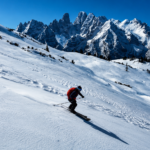
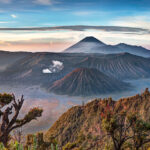
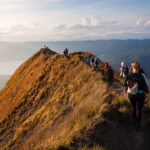
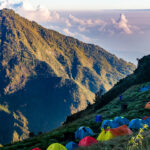
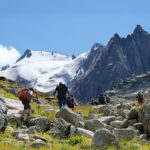
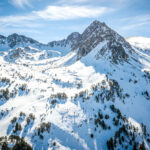
Tusheti is Georgia’s most remote trekking region – vast, rugged and uncompromising. Trekking here is less about ticking off trails and more about careful planning, timing and self-sufficiency.
Tucked away in the far northeast of Georgia, Tusheti feels worlds apart from the country’s more accessible mountain regions. Reached only by crossing the high and exposed Abano Pass, it is a place of wide valleys, isolated stone villages and long distances between services. Trekking here is not casual, and that is precisely what draws people in.
This guide is designed for travellers who are considering trekking in Tusheti and want a realistic understanding of what it involves. Rather than listing generic hiking advice or repeating information found in broader Georgia trekking guides, this article focuses on planning: when you can go, how to get there, where trekkers base themselves, which routes are realistic, and how logistics like food, accommodation and horses shape the experience.
Tusheti rewards preparation more than raw fitness. If you are looking for a region where flexibility matters, infrastructure is limited and decisions have real consequences, this guide will help you plan a Tusheti trekking adventure that is both achievable and deeply rewarding.
Read also: Georgia Adventure Holidays: What to Expect in 2026
Why Trekking in Tusheti Is Different from Anywhere Else in Georgia
Trekking in Tusheti operates on a completely different scale from other Georgian mountain regions. The first and most obvious difference is remoteness. There is only one road into Tusheti, crossing the Abano Pass at nearly 3,000 metres, and it is open only for a short part of the year. Once you cross it, there are no alternative exits, no quick transfers and very limited emergency infrastructure.
Infrastructure on the ground is minimal. Villages are small and widely spaced, shops are scarce, and services that are taken for granted elsewhere simply do not exist. Many trekking routes pass through areas where there is no mobile signal and no reliable way to resupply. This makes planning food, accommodation and daily distances far more important than in regions like Svaneti.
Tusheti also lacks fixed, standardised itineraries. Routes are often flexible and combinable, shaped by weather, trail conditions and whether you use horse support. A planned itinerary may need to change on short notice, and experienced trekkers approach the region with contingency plans rather than rigid schedules.
Finally, Tusheti’s proximity to international borders adds another layer of consideration. While trekking is generally straightforward, awareness of border zones and local advice is essential. All of this makes Tusheti less forgiving — but for well-prepared trekkers, it offers one of the most authentic and immersive mountain experiences in Georgia.
When You Can Trek in Tusheti (Very Short Season)
Trekking in Tusheti is limited to a narrow and highly weather-dependent window. Unlike other mountain regions in Georgia, access here depends entirely on the condition of the Abano Pass, which is closed for most of the year due to snow, landslides and extreme weather.
In most seasons, Tusheti becomes reachable only from mid to late June, once the pass is cleared and conditions allow safe travel. Even then, early summer trekking can be unpredictable. Snow may still block higher routes, rivers can be swollen from meltwater, and not all villages or guesthouses are fully operational.
July and August offer the most reliable conditions. Trails are generally clear, services are running, and horse support is widely available. That said, Tusheti never becomes “easy” — sudden storms, cold nights and difficult road conditions remain part of the experience.
September is quieter and often visually striking, with crisp air and fewer visitors. However, it carries increased risk. Early snowfall can close high passes without warning, and heavy rain may render the Abano Pass impassable even before the official end of the season.
Once the road closes — often in early October — Tusheti becomes effectively inaccessible to independent travellers.
Tusheti Trekking Season at a Glance
| Period | Conditions | Trekking Reality |
| Mid–Late June | Lingering snow, high rivers | Limited routes, high flexibility required |
| July–August | Most stable weather, full access | Best trekking window |
| September | Clear air, colder nights | Fewer visitors, higher weather risk |
| Oct–May | Abano Pass closed | No trekking access |
Because the season is short and conditions change quickly, fixed travel dates are less important than flexibility. Successful Tusheti treks are planned around weather windows, local advice and contingency days rather than rigid itineraries.
Getting to Tusheti: Access, Transport & Reality Check
Reaching Tusheti is part of the adventure — and one of the main reasons the region feels so remote. There is only one access route, and it sets the tone for everything that follows.
Tusheti is reached via the Abano Pass, a high mountain road climbing to nearly 3,000 metres before dropping into the region’s main valley. The road is unpaved, narrow in places, and highly exposed. Travel times vary widely depending on weather and road conditions, and delays are common. Even in good conditions, the journey from eastern Georgia to Omalo takes most of a day.
What to Expect on the Way In
A realistic understanding of access is essential before committing to a Tusheti trek:
- Single access road via Abano Pass: there is no alternative entry or exit
- 4×4 vehicle required: standard cars are not suitable
- Weather-dependent travel: rain, fog or landslides can stop traffic
- No fixed public transport schedule: shared vehicles run when conditions allow
- Flexibility is mandatory: arrival and departure days may shift
Most travellers arrange transport from Alvani or Telavi, either by joining a shared 4×4 or hiring a private driver. Shared vehicles are cheaper but leave only when full and may wait for better conditions.
Arrival in Tusheti
The road descends into Omalo, the administrative and logistical hub of Tusheti. Upper Omalo, where most guesthouses are located, is where trekkers typically base themselves before heading out on foot. Once you arrive, services are limited and conditions feel immediately different from the rest of Georgia — quieter, slower and far less predictable.
Because access depends entirely on the road, it’s wise to plan buffer days at both ends of your trek. Treat the journey to and from Tusheti as part of the experience, not just a transfer, and avoid scheduling onward travel too tightly.
Interested in guided tours in Georgia?
Check our guided tours here: Kazbegi Trekking in 7 Days
Where Trekkers Base Themselves in Tusheti
Tusheti does not have a single, obvious trekking base in the way that Mestia or Stepantsminda do. Instead, trekkers typically choose where to stay based on access, route plans and logistics, rather than comfort or services.
Omalo is the main entry point and the most common base. It is divided into Lower Omalo and Upper Omalo, with most guesthouses located in Upper Omalo. This is where trekkers usually spend their first night after crossing the Abano Pass, organise supplies, speak with hosts about conditions, and finalise route plans. If you are new to Tusheti, Omalo is the most practical place to start.
Beyond Omalo, several villages function as secondary trekking bases rather than places you simply pass through. Dartlo is the most popular of these, known for its well-preserved stone architecture and central position for routes toward Kvavlo, Parsma and Girevi. Many trekkers choose to spend at least one night here rather than treating it as a short stop.
Shenako and Diklo, located on the eastern side of the region, are quieter and less visited. They work well as bases for shorter village-to-village hikes or border-area routes but have fewer accommodation options. Staying in these villages feels more isolated and requires tighter planning.
Across all of Tusheti, accommodation remains limited and seasonal. Guesthouses are family-run, capacity is small, and availability can change quickly due to weather or access issues. Planning overnight stops in advance — while remaining flexible — is a key part of trekking successfully in the region.
Best Trekking Routes in Tusheti (What’s Realistic)
Trekking routes in Tusheti are less standardised than in other regions of Georgia. There are no fixed, universally followed itineraries, and conditions often dictate how far and where you can go. Successful trekking here depends on choosing routes that match the season, weather, and available logistics, rather than aiming to cover maximum distance.
The routes below represent the most realistic and commonly completed options for independent trekkers. They can be walked as short loops, linked together over several days, or adjusted with horse support depending on conditions.
Omalo → Dartlo → Girevi Loop
This is the most classic and approachable multi-day trekking route in Tusheti. Starting from Omalo, the trail follows the Alazani River valley through open landscapes toward Dartlo, one of the region’s most distinctive villages. From Dartlo, the route continues deeper into the valley toward Girevi, the last permanent settlement before the Chechen border.
The terrain is relatively forgiving compared to higher mountain routes, with gradual elevation changes and well-defined paths. The scenery combines wide valleys, steep green slopes and clusters of stone villages that feel untouched by time. Guesthouses in Dartlo and Girevi make this route manageable without camping.
This loop works well as a 3–4 day trek, either returning the same way or combining with side trips to nearby villages. It’s an excellent introduction to Tusheti’s scale and atmosphere without committing to more remote high-pass crossings.
H3: Dartlo → Kvavlo → Parsma Villages
This shorter cultural route links some of Tusheti’s most visually striking settlements. From Dartlo, a steep climb leads to Kvavlo, dramatically perched above the valley, before descending toward Parsma. Although distances are modest, the elevation changes make this hike more demanding than it appears.
The focus here is less on wilderness and more on architectural heritage and village life. Towers, stone houses and abandoned structures dominate the landscape, offering insight into how isolated communities once defended and sustained themselves.
This route can be done as a long day hike or combined with overnight stays in Dartlo or Parsma. It pairs well with longer valley routes and is often used as a flexible add-on rather than a standalone trek.
Omalo → Shenako → Diklo Border Route
On the eastern side of Tusheti, routes linking Omalo, Shenako and Diklo offer a quieter and more remote experience. These trails traverse rolling terrain with wide views toward the surrounding ridges and borderlands.
While technically straightforward, these hikes require awareness of border proximity. Trails are generally open to trekkers, but conditions and access rules can change, so local advice is essential before setting out. Mobile signal is limited, and there are fewer guesthouses than in the Dartlo area.
This route suits trekkers looking for solitude and cultural immersion rather than dramatic high-alpine scenery. It works well as a 2–3 day itinerary or as part of a longer loop when combined with other villages.
Multi-Day Horse-Supported Routes
Many of Tusheti’s longer and more flexible routes rely on horse support. Horses are traditionally used to transport supplies between villages and allow trekkers to travel further without carrying heavy packs.
With horse support, routes can be extended beyond standard village loops, linking valleys or crossing higher terrain that would be impractical with full backpacks. This approach opens up more of Tusheti’s interior but requires advance coordination with local hosts.
Horse-supported trekking is especially useful for longer stays or for trekkers who want to prioritize exploration over strict daily distances. In Tusheti, this is not a luxury add-on but often a practical solution to the region’s scale and remoteness.
Trekking with Horses vs Carrying Everything
In Tusheti, deciding whether to trek with horse support or carry everything yourself is one of the most important planning choices you’ll make. Unlike regions with dense infrastructure, distances between villages here are long, elevation changes are constant, and resupply options are extremely limited.
Many trekkers underestimate how much energy is saved by using horses. Even strong hikers can struggle when carrying full packs over multiple days, especially at altitude and on rough terrain. Horse support allows you to travel lighter, maintain a steadier pace, and remain flexible if weather or conditions force changes to your route.
Using horses is a long-established local practice rather than a tourist add-on. Horses are typically arranged through guesthouse hosts in Omalo or Dartlo and are handled by local herders who know the terrain intimately. Costs vary depending on distance and duration, but support is usually arranged per day rather than per kilometre.
Horse support is particularly useful if you plan:
- multi-day routes beyond the main village loops
- longer stays with exploratory side trips
- routes where food and supplies need to be carried in advance
- flexible itineraries that may change due to weather
That said, trekking without horses is still possible on shorter village-to-village routes, especially if you pack carefully and keep daily distances conservative. The key is to plan realistically and choose the approach that matches both your experience level and the remoteness of your chosen route.
Food, Supplies & Self-Sufficiency in Tusheti
Trekking in Tusheti requires a higher level of self-sufficiency than in most other regions of Georgia. Once you cross the Abano Pass, options for resupplying food or equipment become extremely limited, and planning ahead is essential.
There are no proper grocery stores in Tusheti. Small village shops, where they exist at all, carry only basic items and cannot be relied on for trekking supplies. For this reason, most trekkers buy snacks, trail food and any specialty items before leaving eastern Georgia, typically in Telavi or Alvani.
Guesthouses form the backbone of food provision in the region. When staying overnight, hosts usually provide breakfast and dinner, often prepared with local ingredients. Meals are simple but filling and are an important part of daily energy intake. In many villages, guesthouses can also prepare packed lunches, which is often the most practical solution for full trekking days.
Because distances are long and conditions unpredictable, carrying extra food reserves is wise. Weather delays, road closures or route changes can easily extend a trek by a day. Trekkers who plan to camp or travel between villages without guesthouse stops must be especially careful, as there are few fallback options.
Water is generally available from streams and springs along most routes, but purification is recommended. Tusheti’s isolation means that planning food and water carefully is not optional — it’s a core part of trekking responsibly in the region.
Safety, Borders & Permits in Tusheti
Safety in Tusheti is shaped less by technical terrain and more by remoteness, access limitations and proximity to international borders. While trekking routes themselves are generally straightforward, the lack of infrastructure means that mistakes can carry more serious consequences than in other regions of Georgia.
Several trekking routes run close to the Chechen and Dagestani borders. These areas are not inherently dangerous, but access rules can change, and some routes may require awareness or informal registration depending on current regulations. Before setting out, it’s essential to check locally — guesthouse hosts in Omalo or Dartlo are usually the most reliable source of up-to-date information.
Mobile phone coverage is limited outside main villages, and in some valleys there is no signal at all. Emergency services are sparse, and evacuation can be slow, especially if the Abano Pass becomes temporarily impassable due to weather. For this reason, trekking with a conservative mindset is strongly recommended.
Guides are not mandatory for most village-to-village routes, but they can be valuable for longer treks, routes near border zones, or for travellers unfamiliar with remote trekking environments. Carrying a basic first-aid kit, informing your host of your plans, and allowing buffer days for delays are simple but important safety measures.
Common Mistakes First-Time Tusheti Trekkers Make
Tusheti rewards preparation and patience, but many first-time visitors make similar mistakes that can quickly complicate a trek.
- Underestimating access time: The journey over Abano Pass often takes longer than expected, and weather delays are common. Arriving late in the day can disrupt carefully planned routes.
- Overplanning rigid itineraries: Fixed schedules rarely survive contact with Tusheti’s conditions. Successful treks allow room for weather changes, rest days or route adjustments.
- Ignoring horse logistics: Carrying full packs over long distances at altitude is exhausting. Many trekkers regret not arranging horse support early on.
- Assuming daily resupply: Shops are minimal or nonexistent. Relying on buying food along the way often leads to shortages.
- Arriving too early in the season: June trekking can be limited by snow and swollen rivers, making planned routes impractical.
Is Tusheti Right for You?
Tusheti is best suited to trekkers who value remoteness, flexibility and self-reliance over comfort or convenience. If you enjoy adapting plans to conditions, walking long distances between isolated villages and engaging with local communities, the region offers an unmatched sense of immersion.
It may not be ideal for travellers seeking clearly marked routes, predictable logistics or the option to exit easily if plans change. Compared to Svaneti, Tusheti is less forgiving and requires more preparation; compared to Kazbegi, it demands longer commitments rather than short, intense day hikes.
Final Thoughts
Trekking in Tusheti is as much about mindset as it is about routes or fitness. The region’s isolation, short season and limited infrastructure demand respect and thoughtful preparation, but they are also what make the experience so distinctive.
Approached with flexibility and realistic expectations, Tusheti offers a rare opportunity to move through landscapes that feel largely unchanged by modern tourism. Stone villages, wide valleys and long, quiet trails create a sense of depth and continuity that is difficult to find elsewhere.
For trekkers seeking a truly remote adventure in the Caucasus — one shaped by planning rather than convenience — Tusheti remains one of Georgia’s most compelling destinations.
Interested in guided tours in Georgia?
Check our guided tours offer here: Georgia Travel Tours