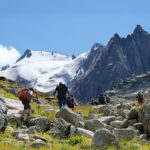
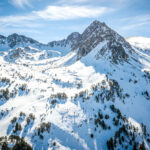
Mount Kilimanjaro, standing at 5,895 meters (19,341 feet), is the tallest mountain in Africa and the highest freestanding mountain in the world. Located in Tanzania, it draws more than 35,000 trekkers annually who seek to reach its snow-capped Uhuru Peak. Unlike technical climbs, Kilimanjaro is a trek—meaning no ropes, no ice axes—yet the journey is physically demanding due to the altitude.
Climbing Kilimanjaro is a life-changing experience, offering a blend of diverse ecosystems, stunning landscapes, and personal achievement. This guide provides a comprehensive overview of the most important aspects: route selection, pricing, physical preparation, and what to expect during the climb.
Routes to the Summit: Which One to Choose?
There are seven main routes to reach the summit of Kilimanjaro. Each route has its own character, difficulty level, and scenery.
1. Marangu Route
- Known as the “Coca-Cola Route”
- The only route with hut accommodation
- Easiest in terms of logistics but lower success rates due to shorter acclimatization time (5–6 days)
2. Machame Route
- The most popular route
- Offers stunning views and varied landscapes
- Better acclimatization profile (6–7 days)
- Requires camping
3. Lemosho Route
- Remote and scenic
- High success rate due to longer acclimatization (7–8 days)
- Ideal for those wanting solitude early in the trek
4. Rongai Route
- Approaches from the north, close to the Kenyan border
- Drier climate and less crowded
- Good for those climbing during rainy seasons
5. Northern Circuit Route
- Longest route (8–9 days)
- Excellent acclimatization and fewer crowds
- Highest success rate
6. Shira Route
- Starts at higher elevation, making it more difficult for those not pre-acclimatized
- Merges with Lemosho
7. Umbwe Route
- Steepest and most direct
- Not recommended for beginners due to poor acclimatization profile
How Much Does It Cost to Climb Kilimanjaro?
Climbing Kilimanjaro is not cheap, mainly due to park fees and support staff requirements.
- Budget treks: $1,500–$2,000 (bare minimum, often poor logistics)
- Mid-range tours: $2,000–$3,500 (better support and safety)
- Luxury climbs: $4,000–$6,000 (private toilets, gourmet meals, top-tier guides)
What’s typically included:
- Park fees (can exceed $1,000 per person)
- Camping gear and tents
- Guides, porters, cooks
- Transfers to/from the trailhead
- Meals and drinking water
Not included:
- Flights to Tanzania
- Visa ($50–$100)
- Tips for porters and guides (expect $200–$300)
- Personal gear and insurance
Physical Preparation and Training
Although the hike doesn’t require technical skills, Kilimanjaro demands cardiovascular fitness and mental resilience. Summit day involves 10–15 hours of trekking at high altitude.
Tips to prepare:
- Do regular cardio (running, cycling, hiking)
- Train with weighted backpacks
- Practice long-distance treks on weekends
- Include strength training and flexibility exercises
Altitude acclimatization is critical. Choosing longer routes and trekking slowly (“pole pole” in Swahili) increases your chance of success.
What to Expect on the Mountain
Climbers pass through five distinct ecological zones:
- Cultivation zone (800–1,800 m): Forests and farmland
- Rainforest (1,800–2,800 m): Lush jungle with monkeys and exotic birds
- Heather/Moorland (2,800–4,000 m): Strange plants and dramatic views
- Alpine desert (4,000–5,000 m): Barren, cold, and windy
- Arctic summit zone (above 5,000 m): Icefields, glaciers, and thin air
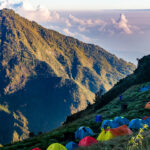
Each day includes 4–8 hours of trekking. Nights are spent in tents (except Marangu huts), and temperatures can range from hot in the rainforest to freezing near the summit.
The summit attempt typically begins around midnight to reach Uhuru Peak at sunrise. This is the hardest part—cold, high-altitude, and physically exhausting.
Altitude Sickness: Know the Risks
Common symptoms include headaches, nausea, fatigue, and trouble sleeping. Severe altitude sickness can be life-threatening.
To reduce risk:
- Choose longer routes
- Climb slowly
- Stay hydrated
- Avoid alcohol and sleeping pills
- Know when to descend
Most outfitters monitor climbers twice daily for symptoms. Some carry supplemental oxygen and pulse oximeters.
Tipping and Local Ethics
Tipping is a key part of the Kilimanjaro economy. Porters carry 15–20 kg of gear per person and often work in challenging conditions.
Guideline for tipping (per climber):
- Lead guide: $20/day
- Assistant guide: $15/day
- Cook: $10–15/day
- Porters: $6–10/day each
Use companies that follow KPAP (Kilimanjaro Porters Assistance Project) guidelines to ensure ethical treatment of workers.
Best Time to Climb
- January–March: Cold but clear; snow on summit
- June–October: Dry, busy season with good visibility
- April–May & November: Rainy seasons; slippery and cloudy, but fewer crowds
Conclusion
Climbing Kilimanjaro is achievable for anyone with determination, physical preparation, and the right support. With diverse routes to choose from, a range of budget options, and stunning scenery every step of the way, Kilimanjaro stands as a symbol of adventure and personal triumph.
Whether you’re doing it to celebrate a milestone, raise funds, or chase a dream, reaching the Roof of Africa is a journey you’ll never forget.