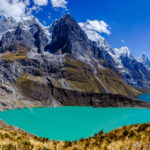
Few volcano treks in the world combine dramatic landscapes, challenging climbs and unforgettable summit views quite like Mount Rinjani. Rising high above the island of Lombok, this towering volcano offers one of the most spectacular multi-day trekking adventures in Southeast Asia.
At 3,726 meters, Mount Rinjani is the second-highest volcano in Indonesia and the dominant feature of Mount Rinjani National Park on the island of Lombok. The mountain’s enormous caldera shelters the turquoise crater lake Segara Anak, while steep volcanic slopes lead to a summit that offers panoramic views across Lombok, Bali and the surrounding islands.
For trekkers, Rinjani represents one of the most rewarding hiking challenges in Southeast Asia. Unlike short sunrise volcano climbs found elsewhere in Indonesia, climbing Rinjani usually involves a multi-day expedition that combines forest trails, high volcanic ridges and an unforgettable midnight ascent to the summit.
Most trekking itineraries take two to four days, depending on the route and how much of the mountain you want to explore. Some hikers climb directly to the summit from the Sembalun side, while others descend into the caldera to visit the crater lake and hot springs before completing a full traverse of the mountain.
In this guide, we explain everything you need to know about trekking Mount Rinjani, including the main routes, typical itineraries, best season to climb, permits, logistics and safety tips. Whether you are planning a short summit trek or a longer multi-day adventure, understanding how the mountain works will help you prepare for one of Indonesia’s most iconic hikes.
Mount Rinjani at a Glance
Before planning a trek, it helps to understand the key facts about Mount Rinjani. Located in Mount Rinjani National Park on the island of Lombok, the volcano dominates the surrounding landscape and is visible from much of the island.
At 3,726 meters, Rinjani is the second-highest volcano in Indonesia and one of the most prominent peaks in Southeast Asia. Its enormous caldera, formed by a massive eruption centuries ago, contains the striking crater lake Segara Anak, which sits more than 2,000 meters above sea level.
Most trekking routes approach the mountain from either Senaru or Sembalun, two villages that serve as the main gateways to the national park. From these trailheads, hikers can access a range of trekking routes, from shorter crater rim hikes to demanding multi-day summit expeditions.
| Feature | Details |
|---|---|
| Location | Lombok, Indonesia |
| Height | 3,726 m |
| National Park | Mount Rinjani National Park |
| Trek duration | 2–4 days |
| Difficulty | Hard |
| Best trekking season | April – October |
| Main highlights | Segara Anak crater lake, sunrise summit, volcanic landscapes |
Why Mount Rinjani Is One of Southeast Asia’s Best Treks
Mount Rinjani stands out even among the many volcanoes of Indonesia. While several peaks across the archipelago offer dramatic summit hikes, few combine the scale, scenery and sense of adventure found on this mountain.
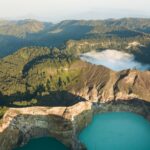
One of Rinjani’s most striking features is its massive caldera, created by a powerful volcanic eruption centuries ago. Inside this vast crater lies Segara Anak, a turquoise lake surrounded by steep volcanic walls. In the middle of the lake rises a smaller active cone, Gunung Barujari, which occasionally releases plumes of smoke and ash — a reminder that Rinjani remains a living volcano.
For trekkers, this creates a landscape unlike almost any other in Southeast Asia. From the crater rim, hikers look down more than a thousand meters into the caldera while watching clouds drift across the lake far below. Campsites along the rim offer some of the most dramatic views on the entire trek.
Another reason Rinjani is so highly regarded is the variety of environments encountered during the climb. Trails begin in tropical forest before emerging onto open savannah slopes and volcanic ridges. Higher up, the terrain becomes rugged and barren as hikers approach the summit cone.
The final ascent to the summit is one of the most challenging and rewarding sections of the trek. Most climbers leave camp around midnight and climb slowly across steep volcanic gravel under the stars. Reaching the summit at sunrise reveals sweeping views across Lombok, Bali and the surrounding islands of Indonesia.
Because of its scale, scenery and physical challenge, Mount Rinjani is often considered one of the best multi-day trekking adventures in Southeast Asia. For hikers willing to take on the challenge, it offers a rare combination of volcanic landscapes, high mountain views and a true expedition atmosphere.
Rinjani Trekking Routes Explained
Mount Rinjani can be approached from several directions, but almost all treks begin at one of two main trailheads: Senaru on the northern side of the mountain or Sembalun on the eastern side. Each route offers a different trekking experience, and many itineraries combine both for a full traverse of the volcano.
Senaru Route
The Senaru route is one of the classic approaches to Mount Rinjani and is known for its scenic views over the crater lake. The trail begins near the village of Senaru at around 600 meters above sea level and climbs steadily through dense tropical forest.
As hikers gain elevation, the vegetation gradually opens up and the trail reaches the Senaru crater rim, one of the most spectacular viewpoints on the mountain. From here, trekkers can look down into the vast caldera and see the turquoise waters of Segara Anak far below.
Many trekkers choose the Senaru route for shorter two-day itineraries that focus on reaching the crater rim rather than the summit. Camping on the rim provides dramatic sunset and sunrise views across the caldera.
Sembalun Route
The Sembalun route is the most popular approach for hikers attempting the summit of Mount Rinjani. Starting from the village of Sembalun at about 1,150 meters, the trail initially crosses open grasslands and savannah slopes.
Because this side of the mountain is more exposed, the ascent offers wide views across eastern Lombok. The trail gradually climbs toward the Sembalun crater rim, which serves as the main high camp before the summit push.
From here, most trekkers begin the summit ascent around midnight. The route to the summit involves several hours of climbing steep volcanic scree before reaching the highest point of the volcano at sunrise.
Typical Route Combinations
Many trekking itineraries combine both routes to create a complete Rinjani crossing. A common itinerary follows this pattern:
Day 1: Trek from Sembalun to the crater rim camp
Day 2: Midnight summit climb, then descend to Segara Anak lake
Day 3: Climb to the Senaru crater rim and descend to Senaru village
This route allows hikers to experience all the major highlights of Mount Rinjani, including the summit, crater lake and both sides of the caldera.
Typical Mount Rinjani Trek Itinerary
Mount Rinjani can be climbed using several different itineraries depending on how much time you have and how much of the mountain you want to explore. Most treks last two to four days, with longer routes allowing time to descend into the caldera and visit the crater lake.
2-Day Summit Trek
The two-day summit trek is the shortest way to reach the top of Mount Rinjani. It is physically demanding but suitable for hikers with limited time. The trek typically begins in Sembalun village, where hikers ascend through open grasslands and volcanic slopes to reach the crater rim. Camps are usually set up along the rim at around 2,600 meters.
During the night, usually around midnight or 1 a.m., trekkers begin the summit push. The climb to the top takes around 3 to 4 hours, crossing steep slopes of loose volcanic gravel. After watching sunrise from the summit, hikers descend back to the crater rim camp and then continue down to Sembalun village the same day. This itinerary focuses on reaching the summit and offers spectacular views, but it does not include time to explore the crater lake.
3-Day Classic Rinjani Trek
The three-day itinerary is the most popular way to experience Mount Rinjani because it includes the summit, crater lake and both sides of the caldera. This route allows hikers to experience the most diverse landscapes of the mountain.
Day 1 usually starts in Sembalun, with a steady climb across open savannah slopes to reach the crater rim camp.
Day 2 begins with the midnight summit ascent. After returning to camp and resting briefly, trekkers descend into the caldera to reach Segara Anak, the large crater lake located deep inside the volcano. Many itineraries include a visit to nearby hot springs, which provide a welcome rest after the summit climb.
Day 3 involves climbing out of the caldera to the Senaru crater rim, followed by a long descent through forest back to Senaru village.
4-Day Extended Trek
For those who prefer a slower pace, some trekking companies offer a four-day itinerary. This version includes additional time at the crater lake and a more relaxed schedule. The extra day allows hikers to:
explore the caldera more thoroughly
rest after the summit climb
enjoy the hot springs and lakeside campsites
Although the four-day trek requires more time, many hikers consider it the most rewarding way to experience Mount Rinjani because it reduces the physical intensity of the itinerary.
How Difficult Is Mount Rinjani?
Mount Rinjani is widely regarded as one of the most challenging volcano treks in Indonesia. Although the climb does not require technical mountaineering skills, the combination of steep terrain, long distances and high elevation makes it physically demanding.
Several factors contribute to the difficulty of the trek.
Steep volcanic terrain
Much of the upper mountain consists of loose volcanic gravel and ash. The final ascent to the summit is particularly challenging, as hikers must climb steep slopes where each step can slide backward slightly. This section can feel slow and exhausting, especially during the summit push in the early hours of the morning.
Significant elevation gain
Most treks begin around 1,100–1,200 meters and climb to the summit at 3,726 meters, meaning hikers gain more than 2,500 meters of elevation over the course of the trek. Even experienced hikers may feel the effects of the altitude during the summit climb.
Long trekking days
Daily hiking distances can be substantial, particularly on itineraries that include the descent to the crater lake and the climb back to the opposite rim. Trekkers often spend 6–8 hours hiking per day, sometimes more depending on the route.
Typical difficulty levels
Although challenging, Mount Rinjani is achievable for hikers with good fitness and determination.
| Trek Section | Difficulty |
|---|---|
| Sembalun ascent to crater rim | Moderate |
| Summit push | Hard |
| Descent to Segara Anak | Moderate |
| Caldera climb to Senaru rim | Hard |
Best Time to Climb Mount Rinjani
Choosing the right season is one of the most important factors when planning a Mount Rinjani trek. Weather conditions strongly influence trail safety, visibility from the summit and whether the national park is open to visitors.
Best Months for Trekking
Mount Rinjani has a clear trekking season, and timing your climb correctly makes a big difference to both safety and overall experience. Because the mountain rises above 3,700 meters and includes steep volcanic terrain, weather conditions can quickly affect trail difficulty and visibility. In general, the dry season offers the best trekking conditions, while the rainy season brings heavier rainfall and temporary park closures.
| Season | Months | Trekking Conditions |
|---|---|---|
| Dry season | April – October | Best conditions, stable trails and clearer views |
| Transition months | April, October | Fewer crowds but occasional rain |
| Rainy season | November – March | Wet trails, reduced visibility and possible closures |
Dry Season (April–October)
The dry season is the main trekking period for Mount Rinjani. Rainfall is lower, trails are more stable and summit visibility is usually much better.
During these months, most trekking companies run regular departures and the national park operates normally. The most popular months are June through September, when conditions are typically the most reliable. Because this is peak season, campsites along the crater rim can become busy, particularly in July and August.
Rainy Season (November–March)
Heavy rainfall affects Lombok during the wet season, which makes trekking conditions more difficult on Rinjani. Steep sections of volcanic gravel can become slippery and cloud cover often reduces visibility from the summit. For safety and environmental protection, Mount Rinjani National Park usually closes for trekking between January and March. During this period the mountain is largely inaccessible to hikers.
Best Months for the Climb
For most trekkers, the best months to climb Mount Rinjani are May, June and September. These months usually offer a good balance of stable weather and fewer crowds compared with the peak tourist period in mid-summer. Climbing during the right season increases the chances of clear sunrise views from the summit and safer trail conditions throughout the trek.
Permits, Guides & Trekking Logistics
Climbing Mount Rinjani requires entering Mount Rinjani National Park, which means trekkers must obtain a park permit and register their itinerary before starting the trek. In practice, most hikers arrange these logistics through trekking agencies based in Lombok.
Because Rinjani is a demanding multi-day hike that involves camping equipment, food and navigation, the vast majority of visitors climb the mountain with a guide and porter team.
Permits and National Park Entry
All trekkers must obtain a Mount Rinjani National Park permit, which helps regulate visitor numbers and supports conservation efforts on the mountain. Permits are typically included when booking through a trekking company, but independent hikers can also arrange them through the official park booking system. Park regulations may change depending on environmental conditions or volcanic activity, so it is important to confirm access before planning a trek.
Guides and Porters
Although experienced hikers can technically trek Rinjani independently, most visitors choose to climb with a local guide and porter team. Porters carry camping equipment, food and cooking supplies, allowing trekkers to hike with lighter backpacks. Guides are familiar with the terrain and help ensure a safe and well-paced ascent.
Many trekking agencies also provide:
tents and sleeping mats
meals during the trek
water and cooking equipment
park permits and logistics
Typical Trek Costs
The cost of a Mount Rinjani trek depends on the itinerary and the level of service provided by the trekking company.
| Trek Duration | Typical Price Range |
|---|---|
| 2-day summit trek | €150 – €250 |
| 3-day classic trek | €250 – €400 |
| 4-day extended trek | €350 – €500 |
Prices usually include guides, porters, camping equipment, food and transportation to the trailhead. While cheaper options exist, choosing a reputable trekking operator is recommended. Responsible companies follow national park rules, treat porters fairly and prioritise safety on the mountain.
What to Pack for a Mount Rinjani Trek
Although Mount Rinjani is located in the tropics, conditions on the mountain can vary dramatically between the warm lower slopes and the cold, windy summit. Proper preparation and the right equipment can make the trek significantly more comfortable and safer. Most trekking companies provide tents, food and cooking equipment, but hikers are still responsible for bringing personal gear and clothing.
Essential Clothing
Layered clothing works best on Rinjani because temperatures change quickly as you gain elevation. Temperatures near the summit can drop close to freezing during the early morning summit push, so warm clothing is important.
Key items include:
Lightweight trekking clothing for warm daytime conditions
Warm layers such as a fleece or insulated jacket for high elevations
Waterproof jacket in case of sudden rain
Comfortable hiking trousers or shorts
Trekking Gear
A few pieces of basic trekking gear can make the climb much easier, particularly on the steep volcanic slopes. Recommended gear:
Sturdy hiking boots with good grip
Headlamp for the midnight summit climb
Trekking poles for stability on loose gravel
Small backpack for water and personal items
Because the summit ascent takes place in darkness, a reliable headlamp is one of the most important pieces of equipment.
Other Useful Items
In addition to clothing and trekking gear, a few small items can make the trek more comfortable. Even though porters carry most equipment, hikers should still be prepared for long trekking days and rapidly changing conditions on the mountain.
Consider packing:
At least 2 liters of water capacity
Sunscreen and sunglasses
Energy snacks for the summit push
Basic personal first-aid supplies
Safety Tips for Climbing Mount Rinjani
Mount Rinjani is a non-technical climb, but the trek is physically demanding and requires preparation. The steep volcanic slopes near the summit, combined with long hiking days and tropical heat at lower elevations, can make the climb more challenging than many hikers expect.
To improve safety on the mountain:
pace yourself during the ascent
bring a reliable headlamp for the midnight summit climb
stay hydrated throughout the trek
wear proper hiking shoes with good grip
climb with an experienced local guide
Choosing a reputable trekking operator and preparing properly will significantly improve both safety and overall trekking experience.
Is Mount Rinjani the Right Trek for You?
Mount Rinjani is one of the most rewarding volcano treks in Indonesia, but it is also physically demanding. Most itineraries involve several days of hiking, steep volcanic terrain and a challenging midnight summit climb.
Mount Rinjani is a good choice if you:
enjoy multi-day trekking adventures
have good fitness and some hiking experience
want to climb one of Indonesia’s most famous volcanoes
It may not be ideal if you:
have limited time in Lombok
prefer short day hikes
are uncomfortable with steep terrain and long trekking days
Travellers looking for easier volcano experiences often choose Mount Batur in Bali or Mount Bromo in Java, which can be completed in a single morning (see our guide to the best volcano hikes in Indonesia). Mount Rinjani, by contrast, is a true multi-day mountain adventure.
Final Thoughts
Mount Rinjani is widely considered one of the most spectacular volcano treks in Southeast Asia. Rising high above the island of Lombok, the mountain offers a rare combination of challenging terrain, dramatic volcanic landscapes and unforgettable summit views.
Few hikes in the region match the scale of Rinjani’s enormous caldera or the beauty of Segara Anak crater lake, which lies deep within the volcano. Combined with the physical challenge of the midnight summit climb, these landscapes create a trekking experience that many hikers remember long after their journey through Indonesia has ended.
Although the climb requires preparation and good fitness, thousands of trekkers successfully reach the summit every year with the help of experienced local guides. Choosing the right season, planning your itinerary carefully and preparing properly can make the trek both safe and rewarding. For adventurous hikers visiting Lombok, climbing Mount Rinjani is more than just a hike — it is one of the most unforgettable trekking experiences in Indonesia.
Travel with Lifetrek
Looking for your next trekking adventure in Asia?
Explore our guided treks in the Himalayas and Central Asia.
Related guides: Indonesia trekking guide
Have a question or want to check dates? Contact us and we will help you choose the right trip. Always further.