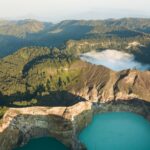
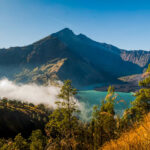
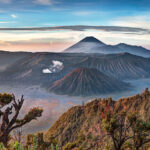
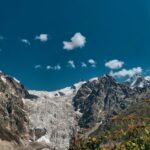
Combining Svaneti and Kazbegi in one week is ambitious, but it can work if you plan with restraint. This itinerary is built for travelers who want two distinct mountain trekking experiences without turning the trip into a logistical gamble. Every day here has a purpose, and none are filler.
A seven-day trekking trip in Georgia forces choices. There isn’t enough time for detours, recovery days, or trial-and-error planning. When done poorly, combining multiple mountain regions leads to rushed hikes, exhausting transfers, and missed weather windows. When done well, it delivers contrast, depth, and a clear sense of why Georgia’s trekking reputation spans far beyond a single region.
This itinerary combines Svaneti and Kazbegi because they complement each other. Svaneti offers structured, village-to-village trekking with a steady rhythm and established accommodation. Kazbegi, by contrast, is more open, more weather-dependent, and visually expansive. Together, they provide two very different mountain experiences within one focused trip.
What this itinerary does not attempt is to show you everything. It prioritizes trekking quality over sightseeing, and consistency over ambition. Each day is designed around realistic hiking time, recovery, and transfer constraints, not ideal conditions or best-case scenarios. That means accepting early starts, long travel days, and limited flexibility.
This is not a relaxed introduction to Georgia’s mountains, and it isn’t suitable for travelers who need buffer days or expect plans to evolve spontaneously. It is, however, a workable and repeatable route for fit, motivated hikers who want a clear structure and are comfortable committing to it.
The sections that follow explain how the week is structured, where the pressure points are, and how to move through Svaneti and Kazbegi without rushing either.
Is This 7-Day Itinerary Right for You?
This itinerary is designed for travelers who already know they want to trek in Georgia and are willing to build the trip around that goal. It works best if you are comfortable with long days, early starts, and limited room for improvisation.
You’re a good fit for this route if:
You have prior experience with multi-day hiking, even if not in Georgia
You’re physically fit enough to hike for several consecutive days without full rest days
You’re comfortable committing to a plan that depends on weather and transport timing
You value trekking quality over comfort or sightseeing
This itinerary is less suitable if:
You need buffer days to adjust plans on the fly
You prefer relaxed travel days or late starts
You’re sensitive to long mountain transfers
You want to explore cities, wine regions, or cultural sites alongside trekking
Seven days is the minimum timeframe in which combining Svaneti and Kazbegi makes sense. Shortening it further usually means compromising either trekking depth or recovery. Extending it, on the other hand, allows for better pacing and weather flexibility, but that moves beyond the scope of this plan.
If your priority is a stress-free introduction to Georgia’s mountains, focusing on a single region will produce better results. If your goal is contrast and immersion within a tight schedule, this itinerary delivers that, provided expectations are realistic from the start.
How the 7 Days Are Structured (Logic Before Details)
This itinerary is built around energy management and logistics, not geography alone. The order of regions matters.
Svaneti comes first because its trekking infrastructure is more predictable. Guesthouse spacing, trail conditions, and transport options make it easier to absorb the shock of travel and altitude at the start of the trip. Starting here allows you to settle into a trekking rhythm quickly without needing perfect weather on day one.
Kazbegi comes last for the opposite reason. Trekking here is more exposed and weather-sensitive, but it also allows for more flexibility in how individual hiking days are shaped. Ending the trip in Kazbegi gives you better odds of adjusting plans if clouds roll in or energy levels dip.
The week is divided into three clear blocks:
Svaneti trekking (Days 1–4): The physical and structural core of the trip.
Transition day (Day 5): A necessary reset, not wasted time.
Kazbegi trekking (Days 6–7): Contrast, openness, and a strong finish.
What this structure avoids is the most common planning error: stacking demanding trekking days back-to-back across regions without accounting for transfers. Here, every hard day is followed either by a lighter hiking load or a logistics-focused day, keeping fatigue from compounding.
This logic matters more than individual trail choices. A well-sequenced average hike will always outperform a rushed “bucket list” route done out of order.
Overview: 7-Day Svaneti + Kazbegi Trek Itinerary
The table below provides a high-level snapshot of the week. It’s meant for orientation and planning, not as a substitute for the day-by-day explanations that follow.
| Day | Location / Region | Trekking Focus | Approx. Hiking Time | Overnight Base |
|---|---|---|---|---|
| Day 1 | Mestia – Svaneti | Arrival + acclimatization hike | 2–3 hrs | Mestia |
| Day 2 | Svaneti | First full trekking stage | 5–6 hrs | Village guesthouse |
| Day 3 | Svaneti | High point or long valley stage | 6–7 hrs | Village guesthouse |
| Day 4 | Svaneti | Final trekking day + exit | 4–5 hrs | Mestia or transit |
| Day 5 | Transfer day | Svaneti → Kazbegi | Minimal | Kazbegi area |
| Day 6 | Kazbegi | Full alpine trekking day | 5–6 hrs | Kazbegi |
| Day 7 | Kazbegi | Final hike + departure buffer | 3–4 hrs | Departure |
Notice that no day is overloaded. Even the longest hiking stages are placed where recovery is possible afterward, either through a shorter following hike or a non-trekking day.
Next, we’ll move into the day-by-day breakdown, starting with Days 1–4: the Svaneti trekking block, and explain what each day is actually designed to accomplish, not just where it goes.
Days 1–4: Svaneti Trekking Block
Day 1: Arrival in Mestia + Acclimatization Hike
Day 1 is not about distance or achievement. It’s about resetting your body after travel and preparing it for consecutive trekking days. Most travelers arrive in Mestia after a long transfer, either from Kutaisi or Tbilisi, and that alone is enough to justify keeping expectations low.
Instead of pushing straight into a full trek, this day works best with a short acclimatization hike near town. The goal is to loosen legs, test footwear, and begin adapting to altitude without accumulating fatigue. Even two or three hours on trail is enough to reveal small issues that are easy to fix now but problematic later.
Common mistakes on Day 1 include:
Treating arrival day as a “free” trekking day
Underestimating how draining the journey into Svaneti can be
Skipping movement entirely and starting cold on Day 2
Use the evening to finalize logistics, confirm accommodation for the following nights, and eat properly. A calm, controlled first day pays dividends later in the week.
Day 2: First Full Trekking Day (Settling Into the Rhythm)
Day 2 is where the trek actually begins. This stage is typically moderate in difficulty, designed to ease you into longer hiking hours without immediately demanding maximum output.
The focus here isn’t speed or elevation, but finding a sustainable pace. Most routes involve steady ascents, mixed terrain, and long valley walks that can feel deceptively easy early on. Pushing too hard on this day is one of the most common reasons trekkers struggle later.
Expect:
5–6 hours of hiking
Clear trails and regular visual landmarks
A noticeable shift from town life to mountain rhythm
Arriving at a village guesthouse at the end of the day reinforces the strength of trekking in Svaneti: predictable shelter, hot food, and a routine that allows recovery without overthinking logistics.
Day 3: The Physical and Mental High Point
Day 3 is usually the crux of the Svaneti block. Whether it involves a higher pass or a longer, more exposed stage, this is the day where weather, fitness, and decision-making intersect.
This is where preparation from the first two days matters. A steady pace, conservative energy use, and realistic start times make a noticeable difference. Conditions can shift quickly, and flexibility is more important than sticking rigidly to an ideal schedule.
Key considerations on Day 3:
Start early to avoid afternoon weather instability
Eat and hydrate more than feels necessary
Be willing to slow down rather than push through fatigue
Reaching the overnight stop on this day usually feels earned. For many trekkers, it becomes the most memorable stage of the entire week.
Day 4: Final Trekking Day + Exit From Svaneti
The final Svaneti trekking day is often underestimated. While the hiking itself is typically shorter or less demanding, mental fatigue accumulates by this point, especially with the knowledge that a long transfer still lies ahead.
This day works best when treated as a controlled finish, not a victory lap. Maintain focus on footing, timing, and energy, even if the terrain feels easier. Ending the trek cleanly sets you up for a smoother transition day rather than a recovery scramble.
Depending on timing, the night may be spent back in Mestia or already in transit toward the next region. Either way, this day marks the end of the most structured part of the itinerary.
Transition Day: From Svaneti to Kazbegi (A Critical Reality Check)
Day 5 is the structural hinge of this itinerary, and it’s where many otherwise well-planned trips quietly lose momentum. The issue isn’t the distance alone, but the assumption that leaving the mountains automatically equals rest.
Traveling from Svaneti to Kazbegi typically means long hours on winding roads, irregular meal timing, and extended periods of passive fatigue. Your legs may not be working, but your nervous system is. Treating this as a light or disposable day often leads to stiffness, poor sleep, and sluggish starts in Kazbegi.
This day works best when planned around active recovery, not efficiency. Proper meals matter more than speed. Hydration is easy to neglect while seated for hours. Small choices, such as avoiding late-night arrivals or night driving, have an outsized impact on how the next two trekking days feel.
There’s also a mental trap here. After several structured days in Svaneti, Kazbegi can appear simpler or less demanding. In reality, its open terrain and weather exposure require sharper judgment, not less. Arriving exhausted reduces your ability to read conditions and make conservative decisions when it matters.
Seen correctly, this transition day isn’t dead time. It’s what keeps the second half of the itinerary intact. Respect it, and the trip feels continuous rather than stitched together.
Days 6–7: Kazbegi Trekking Block
Day 6: Arrival in Kazbegi + Orientation Hike
Kazbegi feels immediately different from Svaneti. Valleys are broader, the terrain is more open, and weather exposure becomes more noticeable. Even short hikes here can feel demanding if conditions shift.
Day 6 works best as an orientation day. A moderate hike allows you to read the landscape, gauge weather patterns, and adapt to the different rhythm of trekking in this region. Legs are usually still recovering from Svaneti, and pushing for a full-day trek immediately is rarely rewarding.
This day is about:
Adjusting expectations
Observing weather movement
Regaining confidence after the long transfer
Day 7: Final Trek + Departure Buffer
The final day is designed around flexibility and restraint. A half-day trek allows you to end the trip on a high note without risking missed connections or rushed descents.
This structure exists for a reason. Kazbegi’s weather can change quickly, and committing to a full-day hike on the final day often leaves no margin for delays. Ending with a controlled, shorter trek lets you focus on the experience rather than the clock.
Many itineraries fail here by trying to “maximize” the last day. This one succeeds by knowing when to stop.
Where This Itinerary Can (and Cannot) Be Adjusted
This seven-day plan works because it leaves very little to chance, but that also means flexibility is limited. Understanding where adjustments are realistic, and where they are not, helps prevent last-minute compromises.
Where you can adjust:
Day 1 and Day 6: Acclimatization and orientation hikes can be shortened, extended, or skipped entirely depending on arrival time, weather, and energy levels.
Kazbegi hiking focus: The open terrain allows you to reshape Day 6 or Day 7 without breaking the overall flow, especially if weather forces a change.
Accommodation choices: Guesthouse selection can influence recovery quality more than mileage adjustments.
Where adjustments usually backfire:
Removing the transition day: Compressing the Svaneti–Kazbegi transfer almost always leads to exhaustion.
Swapping region order: Starting in Kazbegi increases early exposure and weather risk before your legs are ready.
Extending Svaneti beyond Day 4: Without adding days elsewhere, this unbalances the week and weakens the Kazbegi block.
This itinerary is deliberately conservative in structure. Trying to “improve” it by squeezing in more hiking usually reduces overall quality rather than increasing it.
Guided vs Independent: What Makes More Sense for This Route?
This itinerary can be completed independently, but that doesn’t mean independence is always the most efficient choice.
Independent trekking works well if you:
Have prior multi-day hiking experience
Are comfortable adjusting plans based on weather
Prefer controlling daily pacing and accommodation
Guided or semi-supported options often make sense when:
Time is limited and transfers need to be optimized
Weather windows are tight
You want logistical friction removed without giving up autonomy
A common middle ground is to trek independently in Svaneti, where infrastructure is reliable, and use local support in Kazbegi if conditions or timing become uncertain. This hybrid approach preserves flexibility while reducing stress.
The right choice depends less on skill and more on how much mental bandwidth you want to spend managing logistics during the trip.
Common Ways This Itinerary Fails (and How to Avoid Them)
Most failures on this itinerary have nothing to do with terrain difficulty. They come from misjudging energy, timing, and recovery.
A common mistake is pushing too hard during the Svaneti block, especially on Day 2 or Day 3. These stages often feel manageable early on, which encourages longer days or skipped recovery habits. The cost shows up later, usually during the transfer day or the first hike in Kazbegi.
Another issue is treating Kazbegi as a guaranteed finish. Because hikes there are flexible, some travelers postpone decisions, assuming they can adjust on the fly. When weather closes in or fatigue lingers, this leads to rushed mornings or abandoned hikes rather than clean, deliberate changes.
Transfers are another blind spot. Underestimating how draining a full travel day can be leads people to stack activities where there’s no margin. Once behind schedule, this itinerary offers very few places to regain lost time.
Finally, some travelers judge success by how much they complete rather than how well the week holds together. This itinerary rewards restraint. Ending the trip clear-headed and physically intact is a better outcome than forcing one extra hike and paying for it afterward.
Final Thoughts: A Tight Itinerary That Rewards Preparation
Combining Svaneti and Kazbegi in seven days is not about seeing everything. It’s about experiencing two distinct mountain regions in a way that feels intentional rather than rushed. This itinerary works because it respects limits: physical, logistical, and environmental. When followed with restraint, it delivers contrast, depth, and a strong sense of progression across the week.
If you have more time, slowing this plan down will always improve it. If you don’t, sticking to its structure is what makes it succeed. From here, the next step is depth: refining individual trekking days, choosing specific routes, or deciding where guided support adds value. The foundation is already in place.
Travel with Lifetrek
Trek Georgia with Lifetrek
Svaneti and Kazbegi on foot, with transfers, guesthouses and logistics taken care of.
Related guides: Svaneti trekking guide · Kazbegi hiking trails · Best hikes in Georgia
Have a question or want to check dates? Contact us and we will help you choose the right trip. Always further.