A place where alpine wilderness and serenity meet
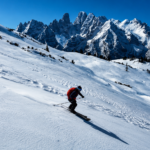
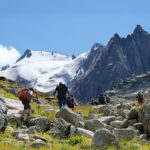
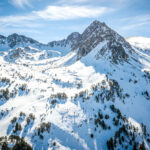
Tucked deep within the Julian Alps, the Seven Lakes Valley is a pristine corridor of alpine beauty, winding through the heart of Triglav National Park. Known locally as Dolina Triglavskih jezer, this high-altitude valley is a dream for hikers, photographers, and nature lovers. Its crystal-clear glacial lakes, wild limestone ridges, and lush mountain pastures offer one of the most unforgettable trekking experiences in Slovenia.

What and where is the Seven Lakes Valley?
The Seven Lakes Valley is a glacial valley that stretches across the southwestern side of Mount Triglav, between Mount Tičarica and Mount Zelnarica. Although its name suggests there are exactly seven lakes, the valley is actually home to ten lakes, some of which are temporary or seasonal. These bodies of water are situated between 1,300 and 2,000 meters above sea level, surrounded by rugged peaks and dwarf pine forests.
The valley is accessible from several points, with Bohinj and Pokljuka being the most common starting locations. The area is protected under Slovenia’s only national park and forms part of a UNESCO biosphere reserve.

Meet the lakes: A journey from south to north
Although not all lakes are always visible (some dry out in summer), here’s a typical south-to-north progression through the valley:
- Črno jezero (Black Lake) – The first lake you encounter from Bohinj. Nestled in dense forest, its dark waters give it a mysterious character.
- Dvojno jezero (Double Lake) – Two interconnected lakes with emerald reflections, located near Koča pri Triglavskih jezerih mountain hut.
- Malo jezero (Little Lake) – Small but scenic, sometimes dry in late summer.
- Veliko jezero (Big Lake or Lake Ledvica) – The largest and most iconic, kidney-shaped lake at 1,838 meters.
- Zeleno jezero (Green Lake) – Known for its vivid color and mineral clarity.
- Rjavo jezero (Brown Lake) – Often the last permanent lake, surrounded by rocky alpine terrain.
- Jezero pod Vršacem, Močivec, and Jezero v Podstenju – Often seasonal or semi-dry, visible mostly in spring and after heavy rain.
Wildlife and plants: More than just water
The Seven Lakes Valley is part of a high alpine ecosystem that supports rare plants like Triglav rose, edelweiss, and blue gentians, as well as animals such as chamois, marmots, golden eagles, and alpine salamanders. This biodiversity is one reason why the valley is strictly protected—no camping or swimming is allowed, and hikers are encouraged to follow marked paths only.
Best time to visit
- Late June to early October is ideal for hiking. In early summer, alpine flowers are in bloom, while in October, golden larch trees turn the valley into a fairytale landscape.
- Snow often lingers on the higher passes until early July. Most mountain huts are open from mid-June to late September.
How to experience it
If you want to see the valley in its full glory without the stress of planning, we recommend one of our guided hikes:
- Seven Lakes Hike – 2 Days – Includes overnight stay at Koča pri Triglavskih jezerih.
- Seven Lakes Valley Day Hike – Ideal if you’re based in Bohinj or Bled and want a full day out.
Both versions are led by certified guides and include transport, local insight, and safety support.
A place you won’t forget
The Seven Lakes Valley is more than just a sequence of alpine pools. It’s a living, breathing part of Slovenia’s natural and cultural heritage. Whether you come for the reflections, the solitude, or the challenge, this valley will stay with you long after you’ve returned to the valley below.