A step-by-step preview of one of the most iconic hikes in the Julian Alps
The Seven Lakes Hike is more than just a walk through nature—it’s a gateway to the high alpine world of Triglav National Park, where silence, water, and stone create an unforgettable rhythm. Whether you choose a one-day adventure or opt for a two-day trek with an overnight stay in a mountain hut, this route offers a rare combination of accessibility and raw natural beauty. Here’s what to expect if you’re planning to explore this legendary valley on foot.
One-day or two-day hike: What’s the difference?
The one-day version of the Seven Lakes hike is ideal for those who are in good shape and short on time. Starting early in the morning—usually from Planina Blato or Planina Dedno Polje—you’ll cover around 15 to 18 kilometers and over 800 meters of elevation gain in a single day. Most hikers complete the loop in 7 to 8 hours, including short breaks and photo stops. While challenging, it’s doable without technical experience, especially in summer when trails are dry.

The two-day hike, on the other hand, is perfect for anyone who wants to move at a more relaxed pace and soak in the alpine atmosphere. The walking is divided into two shorter sections, typically 4 to 5 hours each. The highlight of this version is spending the night at Koča pri Triglavskih jezerih, a cozy mountain hut located right next to Double Lake. Watching the sunset over the valley—and waking up to complete silence and thin mountain air—is a rare and cherished experience.
Trail highlights along the way
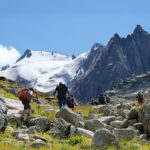
What makes the Seven Lakes route so special is not just the lakes themselves, but everything in between. You’ll begin your journey among spruce and larch forests, soon reaching alpine pastures with traditional shepherd huts, where cheese is still made in summer. As you climb higher, the landscape opens up into a karst world of limestone cliffs, dwarf pine, and wide glacial valleys.
The lakes are scattered like jewels along the trail. Črno jezero (Black Lake) lies hidden in a shady forest, while Dvojno jezero (Double Lake) gleams under the midday sun, just a short walk from the hut. Further up, the iconic Veliko jezero (Big Lake or Lake Ledvica) sits beneath dramatic ridgelines. Each lake has its own shape, color, and character—and together they create a constantly changing rhythm as you hike through the valley.
What kind of terrain to expect
Most of the trail is well-maintained and clearly marked, following traditional alpine paths used for centuries by shepherds and mountaineers. Expect a mix of forest paths, gravel slopes, grassy ridges, and rocky sections that can be uneven underfoot. While there are no technical climbing elements or exposed ridges, some parts involve sustained uphill walking and short, steeper descents.
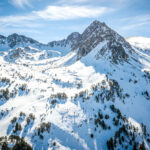
If you’re hiking in early summer, patches of snow can still be found above 1,800 meters. By mid-July, most of the trail is dry and accessible. Good hiking shoes with grip and ankle support are essential, and trekking poles come in handy for both ascent and descent.

Food, water, and mountain hut life
One of the most pleasant aspects of this trek is the presence of Koča pri Triglavskih jezerih, the mountain hut that serves warm meals and offers a real alpine sleeping experience. The hut operates during the summer season (usually from mid-June to late September) and provides simple but hearty Slovenian dishes, tea, coffee, and even homemade blueberry schnapps.
There are no stores or resupply options along the way, so bring enough water and snacks for the entire hike. You can refill water at the hut and sometimes at alpine pastures, depending on conditions. Toilets are available at the hut and occasionally at designated rest areas.
Mountain weather in the Julian Alps
Weather in the high mountains can change rapidly—even in summer. Mornings often start out sunny, but afternoon thunderstorms are common, especially in July and August. Always check the forecast before heading out and pack for unpredictable conditions.
Even in the height of summer, temperatures above 1,500 meters can drop below 10°C, particularly in the morning and evening. It’s important to bring a light rain jacket, a warm mid-layer, sun protection, and a change of clothes if you’re staying overnight.
What to bring on the hike
Packing depends on whether you’re doing the trek in one day or staying overnight. In both cases, good hiking shoes, a daypack, and layered clothing are must-haves. Don’t forget 1 to 2 liters of water, light snacks or sandwiches, and a basic first aid kit. If you’re sleeping in the hut, bring a sleeping liner, headlamp, and cash—most mountain huts in Slovenia don’t accept cards. Sunglasses and a hat are also essential, as large parts of the trail are exposed to direct sun.
Why a guided hike makes a difference
While the trail is well-marked, many visitors choose to do the hike with a LifeTrek guide—and for good reason. Our guides adjust the route and pace based on the group, offer fascinating insights into alpine wildlife, geology, and cultural history, and most importantly, provide peace of mind in case of unexpected weather or navigation challenges. You’ll enjoy the hike more deeply when you don’t have to worry about timing, directions, or logistics.
Explore our Guided Seven Lakes Hike (1 or 2 days)
One trail – endless memories
Whether you choose to tackle it in a single day or savor it across two, the Seven Lakes Hike delivers one of Slovenia’s most beautiful natural experiences. From emerald lakes to alpine meadows and starlit skies, it’s a journey that will leave you recharged, inspired, and just a little more connected to the wild heart of the Julian Alps.