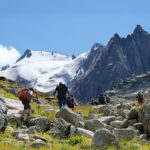
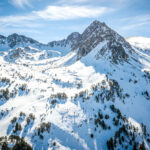
Trekking in Nepal is a once-in-a-lifetime experience, with routes that cater to all skill levels. Whether you’re a seasoned trekker or searching for the best trek in Nepal for beginners, the country has something to offer. The best time of year for trekking in Nepal is during the spring (March-May) and autumn (September-November), when the weather is stable, and the views are at their best.
Nepal is a trekker’s paradise, home to the world’s highest mountains, breathtaking landscapes, and a rich cultural heritage. From challenging high-altitude expeditions to beginner-friendly routes, Nepal offers something for every trekking enthusiast. Below, we highlight three of our best trekking options in Nepal, along with additional trekking recommendations for those looking to explore even more of this incredible region.
Our Top Nepal Trekking Options
For those looking for guided experiences, we work with some of the best Nepal trekking companies to ensure safety, quality service, and an unforgettable adventure.
1. Mera Peak Expedition – The Highest Trekking Peak in Nepal
Difficulty: Challenging
Max Altitude: 6,476m
Duration: 18-20 days
Best Season: Spring & Autumn
Mera Peak is the highest trekking peak in Nepal, offering an incredible challenge for adventurers looking to push their limits. The trek leads through remote villages, stunning glaciers, and breathtaking high-altitude landscapes before culminating in an exhilarating summit climb. While technically easier than some mountaineering ascents, Mera Peak still requires good fitness and acclimatization.
2. Everest Base Camp Trek – Follow in the Footsteps of Legends
Difficulty: Moderate
Max Altitude: 5,364m
Duration: 12-16 days
Best Season: Spring & Autumn
One of the most famous treks in the world, the Everest Base Camp trek takes you through the heart of the Khumbu region. Experience Sherpa culture, visit ancient monasteries, and stand at the foot of the world’s highest peak. This trek offers an unmatched blend of adventure and cultural immersion.
3. Pikey Peak Trek – The Himalayas for Beginners
Difficulty: Easy to Moderate
Max Altitude: 4,065m
Duration: 7-9 days
Best Season: Spring & Autumn
For those looking for an off-the-beaten-path trek, Pikey Peak is an excellent choice. This relatively easy trek rewards hikers with panoramic views of Everest and the surrounding peaks, making it a great alternative to more crowded trekking routes.
Additional Trekking Destinations Around the World
Europe (EU)
- Azores
- Svaneti, Georgia
- Iceland for Hikers
- Corsica GR20
- Lofoten Islands
- Madeira
- Pyrenees
- Tenerife
Asia
- Kyrgyzstan
- Nepal – Everest Base Camp
- Nepal – Pikey Peak
Africa
- Kilimanjaro
- Morocco – Mount Toubkal
South America
- Patagonia & Tierra del Fuego
- Cordillera Huayhuash
Travel Experiences
For those who love adventure beyond trekking, explore our unique travel experiences:
Europe
- Iceland for Travelers
- Iceland – Northern Lights Expedition
Asia
- Jordan for Travelers
- Jordan – New Year’s Adventure
- Uzbekistan
Africa
- Morocco
- Morocco – New Year’s Adventure
South America
- Ecuador & Galápagos
- Peru
- Peru, Bolivia & Chile
Frequently Asked Questions (FAQ)
When is the best time to go trekking in Nepal?
The best seasons for trekking in Nepal are spring (March-May) and autumn (September-November), offering stable weather and clear mountain views. Winter treks are possible but can be challenging due to snow, while monsoon season (June-August) brings heavy rainfall.
What do you need for trekking in Nepal?
Essential trekking gear includes sturdy hiking boots, warm clothing, a sleeping bag, trekking poles, a backpack, and a first aid kit. For high-altitude treks, crampons and an ice axe may be necessary.
How should I prepare for trekking in Nepal?
Training should include cardiovascular fitness, strength exercises, and hiking practice with a loaded backpack. Acclimatization days are essential for high-altitude treks.
What should I wear when trekking in Nepal?
Layered clothing is best to adapt to varying temperatures. Waterproof jackets, thermal wear, and moisture-wicking fabrics help with comfort in changing weather conditions.
Do I need a guide for trekking in Nepal?
While some treks can be done independently, hiring a licensed guide is highly recommended for safety, navigation, and cultural insights, especially for high-altitude or remote routes.
How much should I tip a trekking guide in Nepal?
Tipping is customary in Nepal. For guides, a recommended tip is $5-$10 per day, while porters typically receive $3-$7 per day, depending on the difficulty of the trek.
What permits are required for trekking in Nepal?
Trekkers must obtain permits such as the TIMS (Trekkers’ Information Management System) card and specific area permits like the Annapurna Conservation Area Permit (ACAP) or Sagarmatha National Park Permit.
Can beginners go trekking in Nepal?
Yes! Nepal offers beginner-friendly treks such as the Pikey Peak Trek and Ghorepani Poon Hill Trek, which provide stunning views without extreme difficulty.
Final Thoughts
Nepal remains the ultimate destination for trekking, with options ranging from beginner-friendly routes to high-altitude expeditions. Our three highlighted treks—Mera Peak, Everest Base Camp, and Pikey Peak—offer something for every type of adventurer. If you’re looking to expand your trekking experiences, consider one of the many destinations around the world we offer. Whether you’re a seasoned mountaineer or a beginner, there’s a trekking adventure waiting for you!
Contact us to plan your next unforgettable journey!